

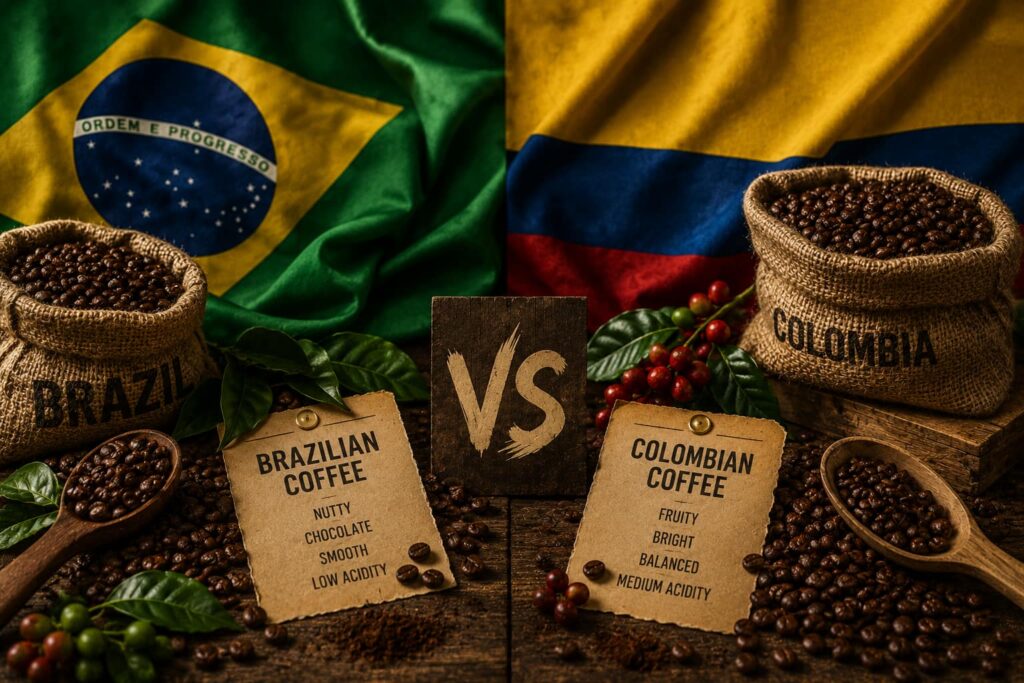
Quick answer: Brazilian coffee vs Colombian coffee comes down to sweetness vs brightness. Specifically, Brazilian coffee is naturally sweet, nutty, chocolatey, and low-acid — brilliant for milk drinks, cold brew, and everyday coffee. By contrast, Colombian coffee is brighter, fruitier, more balanced, with pronounced caramel notes — genuinely versatile across every brewing method. Furthermore, neither is “better” — they simply excel at different things.
For an outstanding Brazilian coffee experience, our Parrot is a Brazilian Cerrado single origin — sweet, nutty, chocolatey. £9.50 / 250g, free UK shipping over £30.
Why trust this guide?

We’re Jeremiah and Raja — The Coffee Twins. Specifically, we’re a UK speciality coffee brand with beans roasted in England. Furthermore, we trained in five-star hotel food and beverage, ran our own coffee shop in Farringdon, and our coffee is now stocked in five-star London hotels. As a result, we’ve spent years brewing, tasting, and serving both Brazilian and Colombian coffees to demanding customers. Above all, this guide covers the honest differences between these two coffee-producing giants — including which brewing methods each shines in.
Table of contents
- The basics: where these coffees come from
- Brazilian coffee vs Colombian coffee: growing regions
- Taste comparison: what each coffee actually tastes like
- Processing methods and why they matter
- Roasting differences between Brazilian and Colombian coffee
- Best brewing methods for each
- Brazilian coffee vs Colombian coffee for milk drinks
- Pricing: which is more expensive?
- Which coffee should you choose?
- Our picks: Brazilian and Colombian coffee UK
- FAQ
The Basics: Where These Coffees Come From
Specifically, Brazil and Colombia are the world’s two largest coffee producers. Furthermore, together they supply roughly 50% of all coffee consumed worldwide, according to data from the International Coffee Organisation. As a result, chances are the coffee in your cup right now contains beans from one or both of these countries.
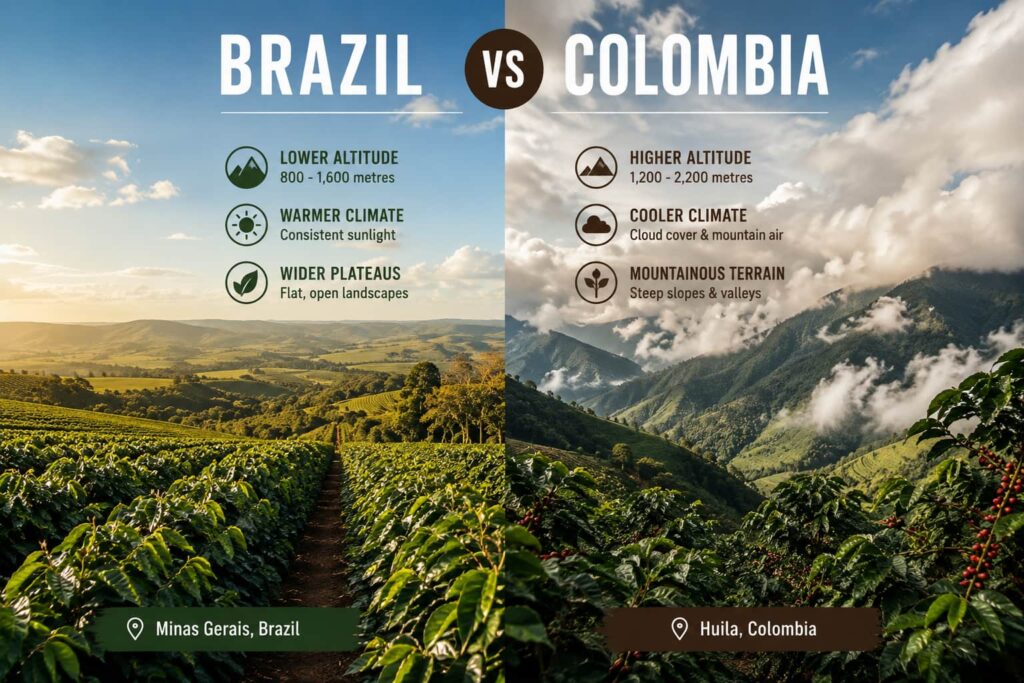
Brazil at a glance
- World ranking: #1 coffee producer globally
- Annual production: Approximately 3.5 million tonnes
- Main growing regions: Minas Gerais, São Paulo, Espírito Santo, Bahia
- Altitude range: 800-1,600 metres
- Speciality percentage: Roughly 15-20% of Brazilian output
Colombia at a glance
- World ranking: #3 coffee producer globally (behind Brazil and Vietnam)
- Annual production: Approximately 800,000 tonnes
- Main growing regions: Huila, Antioquia, Cauca, Nariño, Tolima
- Altitude range: 1,200-2,200 metres
- Speciality percentage: Roughly 30-40% of Colombian output
Above all, one crucial difference: Colombian coffee is typically grown at higher altitudes. Specifically, the Colombian Andes create ideal conditions for slower cherry development. As a result, Colombian beans tend to develop more complex flavours than lower-altitude Brazilian beans.
Brazilian Coffee vs Colombian Coffee: Growing Regions
Specifically, understanding growing regions genuinely matters when you’re buying speciality coffee. Furthermore, region often tells you more about flavour than country alone.
Key Brazilian coffee regions
Cerrado (Minas Gerais): Above all, this is where our Parrot comes from. Specifically, Cerrado produces some of Brazil’s finest speciality coffees — the flat, high plateau with distinct dry/wet seasons creates ideal growing conditions. Furthermore, expect naturally sweet, nutty, chocolatey coffees with clean finishes.
Sul de Minas (Southern Minas Gerais): Specifically, Brazil’s traditional coffee heartland. Furthermore, produces balanced, well-rounded coffees with medium body and caramel notes. As a result, brilliant for espresso blends.
Mogiana (São Paulo/Minas Gerais border): Furthermore, known for coffees with more acidity than typical Brazilians. Specifically, sweetness with hints of citrus and complex spice notes.
Espírito Santo: By the way, primarily Robusta (Conilon) production rather than Arabica speciality. As a result, less relevant for UK speciality coffee drinkers.
Key Colombian coffee regions

Huila: Specifically, arguably Colombia’s most celebrated speciality region. Furthermore, high altitudes (1,500-2,000m) produce bright, complex, fruit-forward coffees with excellent balance. Above all, Huila coffees frequently win international awards through organisations like the Federación Nacional de Cafeteros.
Nariño: Furthermore, extreme high altitude (up to 2,300m) creates concentrated flavours with high acidity. Specifically, expect intense citrus, tropical fruit, and floral notes. As a result, brilliant for filter brewing.
Antioquia: Above all, Colombia’s largest coffee region. Specifically, produces well-balanced coffees with caramel sweetness, medium body, and mild acidity. Furthermore, versatile across brewing methods.
Cauca: Furthermore, high altitude with volcanic soils. Specifically, produces coffees with bright acidity, chocolate notes, and hints of red fruits.
Tolima: By the way, smaller producers and complex terrain. As a result, expect coffees with distinctive character — often floral, sweet, and complex.
Taste Comparison: What Each Coffee Actually Tastes Like

Specifically, here’s the honest side-by-side taste comparison of Brazilian coffee vs Colombian coffee:
• Body: Medium to heavy
• Acidity: Low (2-3/5)
• Sweetness: Naturally sweet
• Flavour notes: Chocolate, nuts (peanut, hazelnut, almond), caramel, brown sugar
• Finish: Clean, smooth, gentle
• Character: Approachable, comforting, balancedColombian coffee typical profile:
• Body: Medium
• Acidity: Medium to high (3-4/5)
• Sweetness: Bright, caramel-forward
• Flavour notes: Caramel, citrus (orange, lemon), red fruits, chocolate, sometimes floral
• Finish: Bright, lingering, complex
• Character: Vibrant, versatile, refined
What this means in practice
Above all, Brazilian coffee is what most people mean by “smooth, sweet coffee.” Specifically, if you like your coffee approachable and easy-drinking, Brazilian is your bag. Furthermore, this is why Brazilian beans dominate espresso blends and milk drinks worldwide.
By contrast, Colombian coffee is brighter, more complex, and more versatile. Specifically, Colombian beans work brilliantly in filter methods where their acidity and complexity can shine. Furthermore, Colombian is often the “gateway speciality coffee” for people moving from supermarket coffee to real speciality — challenging enough to be interesting, familiar enough to enjoy.
Processing Methods and Why They Matter
Specifically, processing method dramatically affects final flavour. Furthermore, Brazilian and Colombian coffees typically use different processing methods:
Brazilian coffee processing
Natural (dry) processing: Above all, Brazil pioneered natural processing at scale. Specifically, coffee cherries dry with the fruit intact around the bean. Furthermore, this intensifies sweetness and body. As a result, Brazilian naturals taste like cocoa nibs and dried fruit.
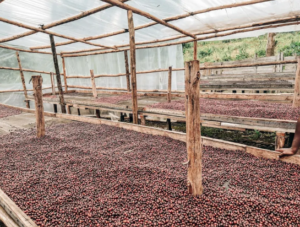
Pulped natural (semi-washed): Specifically, a Brazilian innovation. Furthermore, the outer cherry is removed but some fruit mucilage stays on the bean during drying. As a result, this produces the classic Brazilian sweet-chocolate profile with slightly more clarity than full naturals.
Colombian coffee processing
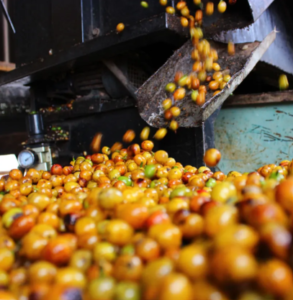
Washed (wet) processing: Specifically, Colombia is famous for washed processing. Furthermore, this method removes all fruit before drying, producing coffees with clarity, brightness, and defined flavour notes. As a result, washed Colombians showcase the terroir clearly.

Honey processing (rising trend): Above all, specialty Colombian producers increasingly use honey processing. Specifically, some fruit mucilage stays on during drying. Furthermore, this creates a hybrid sweetness-plus-clarity flavour profile.
Why processing affects your cup
Specifically, the same coffee bean tastes dramatically different depending on processing:
- Washed: Furthermore, clean, bright, showcases origin character
- Natural: Above all, sweeter, fruitier, more body
- Honey/pulped natural: Specifically, balanced between the two
As a result, when you’re comparing Brazilian coffee vs Colombian coffee, you’re often really comparing natural processing vs washed processing. By the way, our Parrot is a pulped natural Brazilian — hence the balance of sweetness and clarity.
Roasting Differences Between Brazilian and Colombian Coffee

Specifically, how a bean is roasted matters as much as where it grew. Furthermore, Brazilian and Colombian coffees typically get roasted differently.
Brazilian coffee roasting
Above all, Brazilian beans are the workhorses of the coffee industry. Specifically, they’re commonly roasted medium to dark — this brings out their natural chocolate and nut character. Furthermore, Brazilian beans handle darker roasts brilliantly without becoming harsh. As a result, most espresso blends use Brazilian beans as the base.
Colombian coffee roasting
Specifically, Colombian beans reward lighter roasting. Furthermore, higher altitude beans are more delicate — over-roasting destroys the complex fruit and caramel notes that make Colombian coffee distinctive. As a result, speciality Colombian coffee is typically roasted light to medium.
By the way, this is why supermarket “Colombian coffee” often tastes generic. Specifically, mass-market Colombian gets over-roasted, losing everything that makes it interesting. Furthermore, see our coffee roast profiles guide for more.
Best Brewing Methods for Each
Brazilian coffee brewing methods:
Espresso: ⭐⭐⭐⭐⭐ — the natural home for Brazilian beans
Moka pot: ⭐⭐⭐⭐⭐ — sweet, chocolatey, concentrated
Cafetière: ⭐⭐⭐⭐ — full-bodied with clean finish
Milk drinks: ⭐⭐⭐⭐⭐ — chocolate notes cut through milk beautifully
Cold brew: ⭐⭐⭐⭐⭐ — sweetness intensifies over cold extraction
V60/pour-over: ⭐⭐⭐ — decent but doesn’t showcase best qualities
AeroPress: ⭐⭐⭐⭐ — brings out sweetness well
Colombian coffee brewing methods:
V60/pour-over: ⭐⭐⭐⭐⭐ — Colombian beans shine in filter methods
AeroPress: ⭐⭐⭐⭐⭐ — clean extraction showcases complexity
Drip filter: ⭐⭐⭐⭐ — brings out balance and sweetness
Espresso: ⭐⭐⭐⭐ — good in blends, decent as single origin
Cafetière: ⭐⭐⭐ — acceptable but muddies the clarity
Cold brew: ⭐⭐⭐ — works but Brazilian is better
Milk drinks: ⭐⭐⭐ — brightness can compete with milk
The honest takeaway
Specifically, Brazilian and Colombian coffees excel at different brewing methods. Furthermore, Brazilian dominates pressure-based methods (espresso, moka pot) and milk drinks. As a result, Colombian dominates filter methods (V60, AeroPress) and black coffee drinking.
Above all, this is why serious home baristas often keep BOTH in rotation. Specifically, Brazilian for mornings and milk drinks, Colombian for afternoon filter cups. Furthermore, see our UK coffee brewing methods guide for more.
Brazilian Coffee vs Colombian Coffee for Milk Drinks
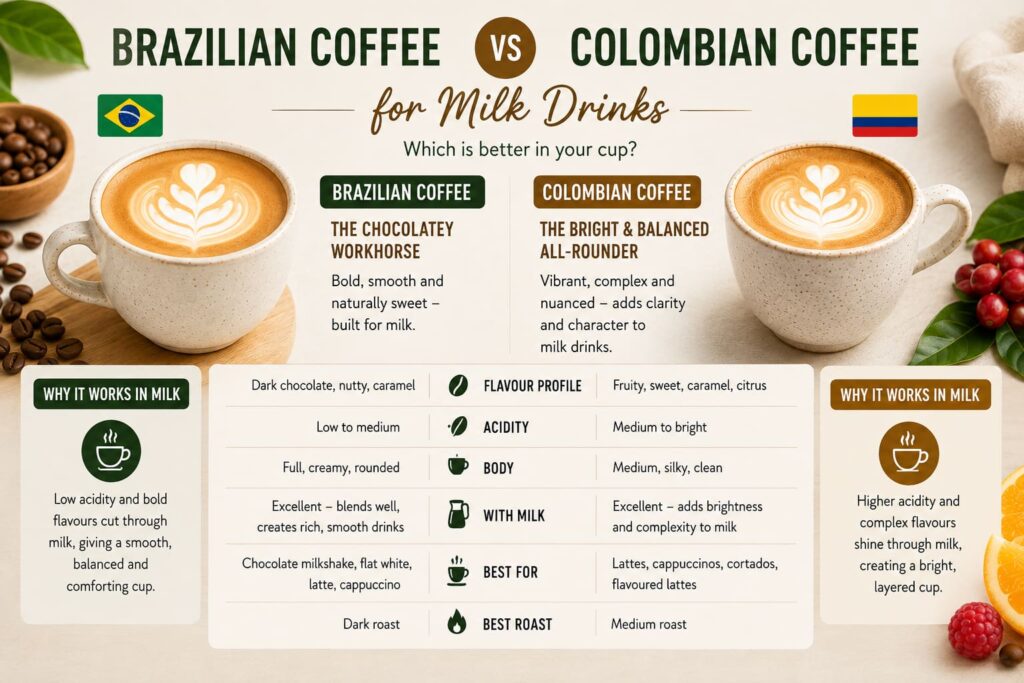
Specifically, this is where the comparison gets clear. Furthermore, if you drink flat whites, lattes, or cappuccinos, the choice matters.
Brazilian coffee in milk drinks
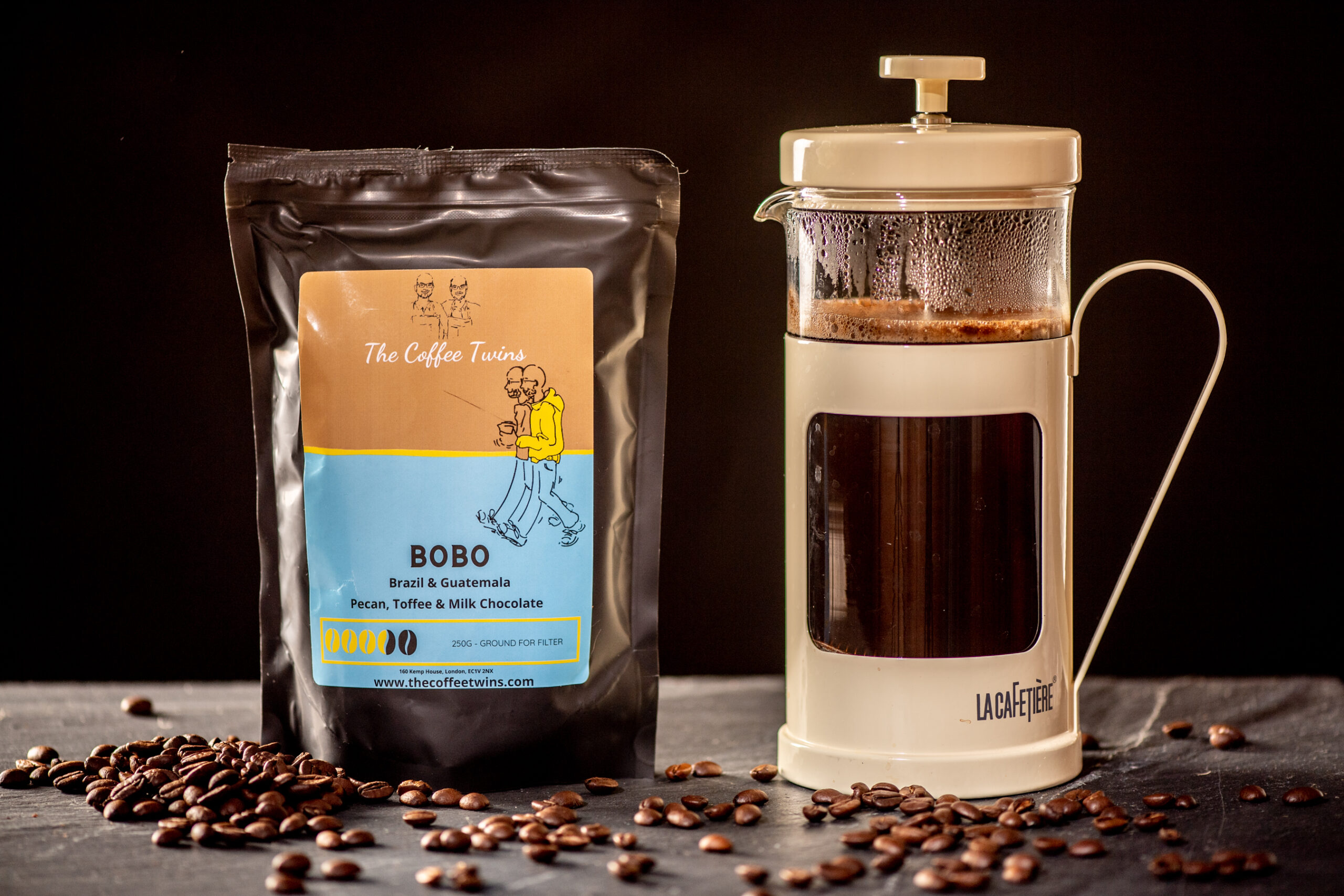
Above all, Brazilian is the champion of milk-based coffee. Specifically, the chocolate and nut notes are exactly what milk complements — you taste “coffee and chocolate” rather than fighting the milk. Furthermore, low acidity means no sour clash with milk. As a result, our Parrot and Bobo (which contains Brazilian beans) both excel in milk drinks.
Colombian coffee in milk drinks
Specifically, Colombian works but doesn’t excel. Furthermore, the brighter acidity that makes Colombian brilliant in filter methods can compete with milk. As a result, you often lose Colombian’s complexity when it’s mixed with steamed milk. By the way, some Colombian blends are designed specifically for espresso and milk, but single-origin washed Colombians are typically better black.
The honest verdict for milk drinkers
Above all, choose Brazilian for lattes, flat whites, cappuccinos, and cortados. Specifically, if you’re brewing milk-based coffee most mornings, a Brazilian coffee like Parrot is the smarter choice.
Pricing: Which Is More Expensive?
Specifically, Colombian coffee typically costs more than Brazilian coffee. Furthermore, here’s why:
- Higher altitude growing is more labour-intensive
- Smaller farm sizes in Colombia mean less economy of scale
- Washed processing requires more water infrastructure
- Speciality-grade percentage is higher in Colombia, driving up demand
Typical UK pricing for speciality-grade beans (250g)
- Brazilian single origin: £9-13
- Colombian single origin: £10-16
- Brazilian in blends: £8-12
- Colombian in blends: £9-14
By the way, our Parrot Brazilian Cerrado single origin is £9.50 / 250g — genuinely competitive pricing for speciality-grade Brazilian coffee. Furthermore, this reflects our approach of making speciality coffee accessible.
Which Coffee Should You Choose?
• You drink milk-based coffees (lattes, flat whites, cappuccinos)
• You prefer smooth, sweet, low-acidity coffee
• You want great value for speciality quality
• You brew with espresso, moka pot, or cold brew
• You’re new to speciality coffee
• You have a sensitive stomachChoose Colombian coffee if:
• You drink your coffee black
• You prefer bright, complex, fruity coffee
• You brew with V60, AeroPress, or drip filter
• You enjoy tasting distinct flavour notes
• You’re expanding your coffee palate
• You want award-winning coffeeChoose BOTH if:
• You drink coffee multiple ways throughout the day
• You want variety in your coffee routine
• You’re a serious home barista
Our honest verdict
Above all, neither Brazilian nor Colombian is objectively “better” — they excel at different things. Specifically, if you’re limited to one coffee for the next month, choose based on your primary brewing method and drinking style. Furthermore, if you drink milk-based coffees, choose Brazilian. As a result, if you drink filter coffee black, choose Colombian.
By the way, we genuinely respect Colombian coffee. Specifically, some of the world’s finest single origins come from Huila and Nariño. Furthermore, we’ve focused our range on Brazilian (via Parrot) plus other origins because Brazilian’s versatility fits our brand’s approach — accessible speciality coffee that works across brewing methods.
Our Picks: Brazilian and Colombian Coffee UK
Best Brazilian coffee UK: our Parrot
Origin: Brazil, Cerrado Minas Gerais
Type: Single origin
Roast: 2.5/5 (light-medium) | Body: 3/5 | Sweetness: 3/5 | Acidity: 3/5
Tasting notes: Sweet, nutty, chocolatey
Best for: Cold brew, filter, milk drinks
Price: £9.50 / 250g
Buy Parrot →
Specifically, our Parrot genuinely represents what great Brazilian speciality coffee tastes like. Furthermore, sourced from the Cerrado region of Minas Gerais, this pulped natural coffee delivers the classic Brazilian sweetness with cleaner clarity than typical Brazilian naturals. As a result, it works brilliantly across brewing methods — cold brew (our top pairing), V60, AeroPress, and even espresso.
Best Colombian coffee UK options
Above all, we don’t currently offer a Colombian single origin in our range. Specifically, if you’re looking for excellent Colombian coffee, we’d genuinely recommend:
- Workshop Coffee (London) — regularly features exceptional single-origin Colombians
- Square Mile Coffee (London) — offers award-winning Colombian coffees
- Origin Coffee (Cornwall) — excellent ethical Colombian options
- Triple Co Roast (Bristol) — genuinely deep direct-trade relationships with Colombian growers in Nariño
Furthermore, see our best independent UK coffee brands guide for more detail on each. By the way, this is a genuine recommendation — sometimes another roaster is the right answer for a specific origin need.
Frequently Asked Questions
What’s the difference between Brazilian coffee vs Colombian coffee?
Brazilian coffee is naturally sweet, nutty, chocolatey, and low-acid — brilliant for milk drinks and cold brew. Colombian coffee is brighter, fruitier, more balanced, with pronounced caramel notes — excellent in filter methods. Specifically, Brazilian excels at pressure-based brewing (espresso, moka pot) while Colombian shines in filter brewing (V60, AeroPress).
Which is better: Brazilian or Colombian coffee?
Neither is objectively better — they excel at different things. Furthermore, Brazilian is better for milk-based coffee drinks, cold brew, and everyday coffee. Colombian is better for filter coffee, tasting complex flavour notes, and drinking black. As a result, many serious coffee drinkers keep both in rotation.
Is Colombian coffee stronger than Brazilian?
Not necessarily. Specifically, “strength” isn’t determined by origin. Furthermore, caffeine levels are similar across both. However, Brazilian coffees typically feel stronger due to their fuller body and chocolatey character. As a result, Colombian coffees can taste “lighter” despite having similar caffeine content.
Which has more caffeine: Brazilian or Colombian coffee?
Both contain similar caffeine levels — typically 60-160mg per cup depending on brewing method. Specifically, caffeine content depends more on brewing method than country of origin. Furthermore, see our UK coffee caffeine guide for detailed comparisons.
Why does supermarket Colombian coffee taste bad?
Because it’s typically over-roasted commodity-grade coffee. Specifically, mass-market Colombian gets roasted very dark to hide low bean quality. Furthermore, this destroys everything that makes Colombian coffee distinctive — the fruit notes, caramel sweetness, and complex acidity. As a result, real speciality Colombian coffee tastes dramatically different from supermarket versions.
Can I use Brazilian coffee for espresso?
Yes — Brazilian coffee is arguably the best origin for espresso. Specifically, the natural sweetness, chocolate notes, and low acidity produce brilliant shots. Furthermore, most espresso blends worldwide use Brazilian beans as the base. As a result, see our best coffee beans for espresso UK guide.
Can I use Colombian coffee for espresso?
Yes, though it requires more skill. Specifically, Colombian single origins can produce bright, complex espressos that some baristas prefer. Furthermore, Colombian works particularly well in blends where its brightness balances darker beans. As a result, both origins have valid places in espresso brewing.
Where can I buy Brazilian coffee UK?
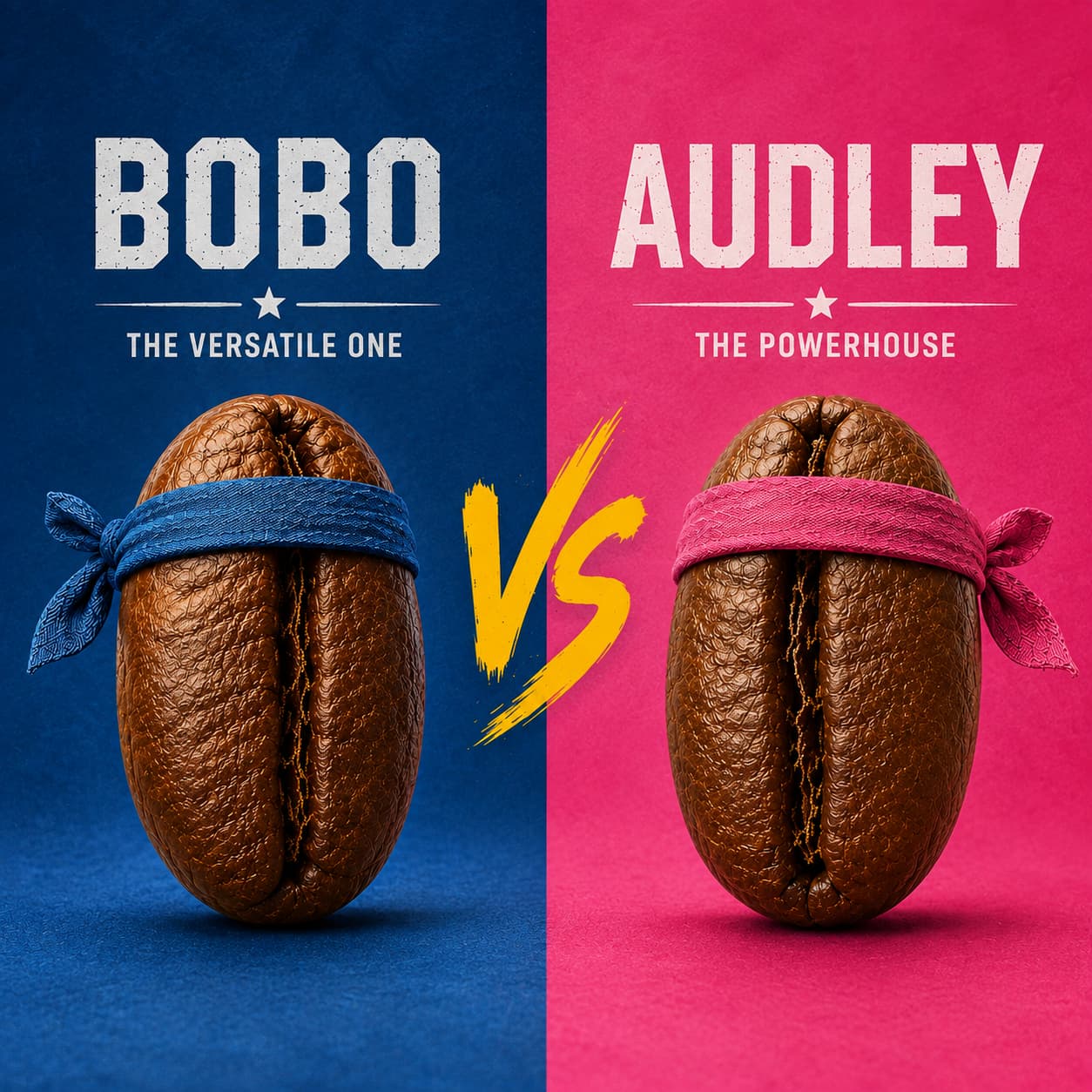
Our Parrot is a Brazilian Cerrado single origin — £9.50 / 250g, free UK shipping over £30. Specifically, we’re a UK speciality coffee brand with beans roasted in England. Furthermore, our range covers milk drinks (Bobo also contains Brazilian beans), espresso (Audley), and filter (Jojo).
Summary
Brazilian coffee vs Colombian coffee comes down to what you want from your cup. Specifically, Brazilian coffee is naturally sweet, nutty, and chocolatey — the versatile champion for milk drinks, espresso, and cold brew. Furthermore, Colombian coffee is brighter, more complex, and more acidic — the star of filter methods and black coffee drinking.
Above all, neither is objectively better. Specifically, they simply excel at different things. Furthermore, if you drink primarily milk-based coffees, Brazilian is the smarter choice. As a result, if you drink filter coffee black and love complexity, Colombian delivers more.
For a genuinely great Brazilian coffee experience, our Parrot Brazilian Cerrado single origin is £9.50 / 250g. Furthermore, free UK shipping over £30. Above all, use NEW10 for 10% off your first order.
Try Parrot — Brazilian Cerrado Single Origin →

0 Comments