

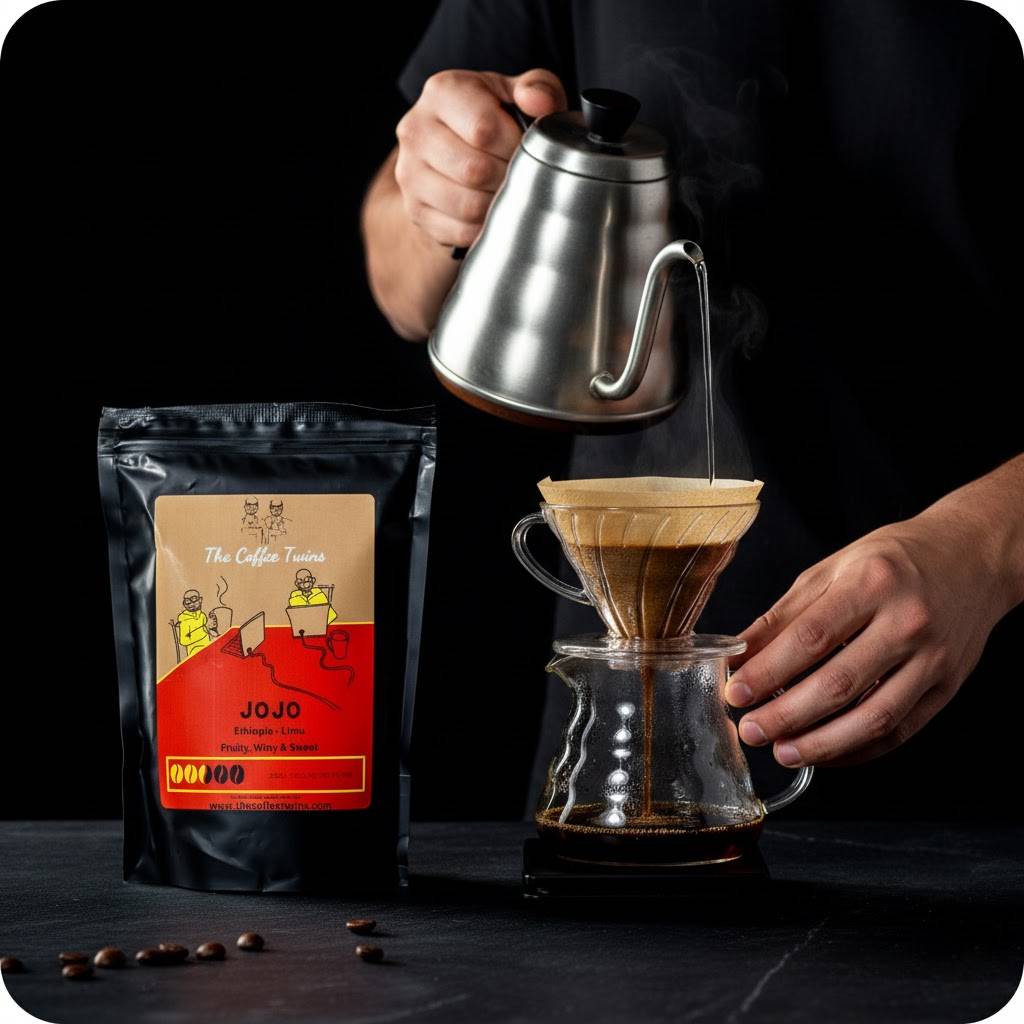
Quick answer: The best coffee for pour over is light to medium roast speciality-grade beans that showcase clarity and origin character. Single origins from Ethiopia, Kenya, or Central America work brilliantly because pour over extracts brightness, sweetness, and delicate flavour notes that darker roasts mask. Our top pour over picks are Jojo (Ethiopian Limu single origin), Parrot (Brazilian Cerrado single origin), and Little Robot (mellow blend). Every bag comes with a V60 grind option at checkout.
Ready to brew? Shop Jojo or shop Parrot.
Why trust this guide?

Written by: Jeremiah & Raja, Co-founders, The Coffee Twins
Credentials: UK speciality coffee brand with beans roasted in England. Stocked in five-star London hotels including Trafalgar St James, where we also train hotel staff on machine handling, coffee education, and latte art. Previously ran our own coffee shop in Farringdon after training in five-star hotel food and beverage.
Last reviewed: September 2026
Pour over coffee is unforgiving. Because the brewing method exposes every characteristic of the bean (good and bad), the coffee you choose matters more than with almost any other brewing method. Dark, oily commodity beans that survive in an espresso machine or a bean-to-cup will taste bitter and hollow in a V60 or Chemex. Great pour over demands great coffee. This guide covers what makes coffee genuinely brilliant for pour over, our top picks from our own range, and how to avoid the pour over mistakes that make people think they don’t like the method. If you’re still choosing between brewing methods, see our Espresso vs Pour Over comparison. New to pour over entirely? Start with our Pour Over Coffee for Beginners guide.
Table of contents
- What makes coffee great for pour over
- Why roast level matters most
- Best origins for pour over
- Our top coffees for pour over
- Getting the pour over grind right
- Common pour over mistakes
- Best pour over drippers to pair with our coffee
- FAQ
What Makes Coffee Great for Pour Over
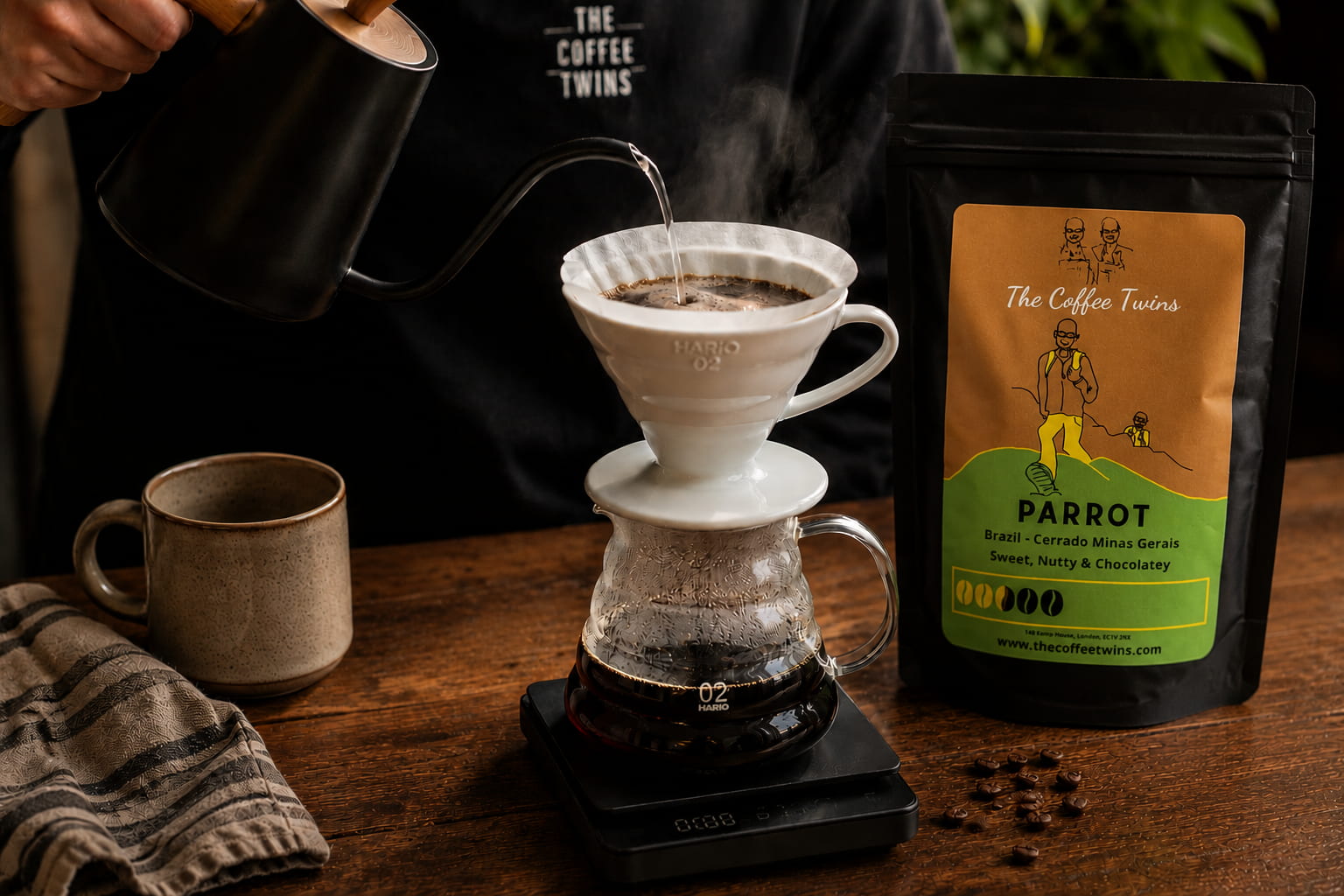
Pour over rewards clarity, brightness, and complexity. Because the paper filter removes oils and fine particles, the resulting cup is clean and transparent, letting delicate flavour notes come through in a way espresso and cafetière brewing genuinely can’t match.
Speciality-grade sourcing matters most
Speciality-grade coffee scores 80+ on the Specialty Coffee Association cupping scale. Below that threshold, the beans lack the distinctive flavour characteristics pour over is designed to showcase. Commodity coffee brewed in a pour over just tastes thin and empty because there’s nothing interesting for the method to extract.
Freshness is non-negotiable
Pour over exposes stale coffee brutally. According to the National Coffee Association, coffee tastes best in the first four weeks after roasting. Meanwhile, cafetière and espresso can partially mask staleness with body and pressure. Pour over has neither shield, which means old beans taste flat, cardboard-like, or lifeless in the cup.
Origin character comes through
Great pour over coffee has distinctive origin character. Firstly, this means single origins tend to outperform blends because you’re tasting a specific place rather than a designed profile. However, well-crafted lighter blends can also work beautifully when the components are chosen for clarity rather than body.
Why Roast Level Matters Most
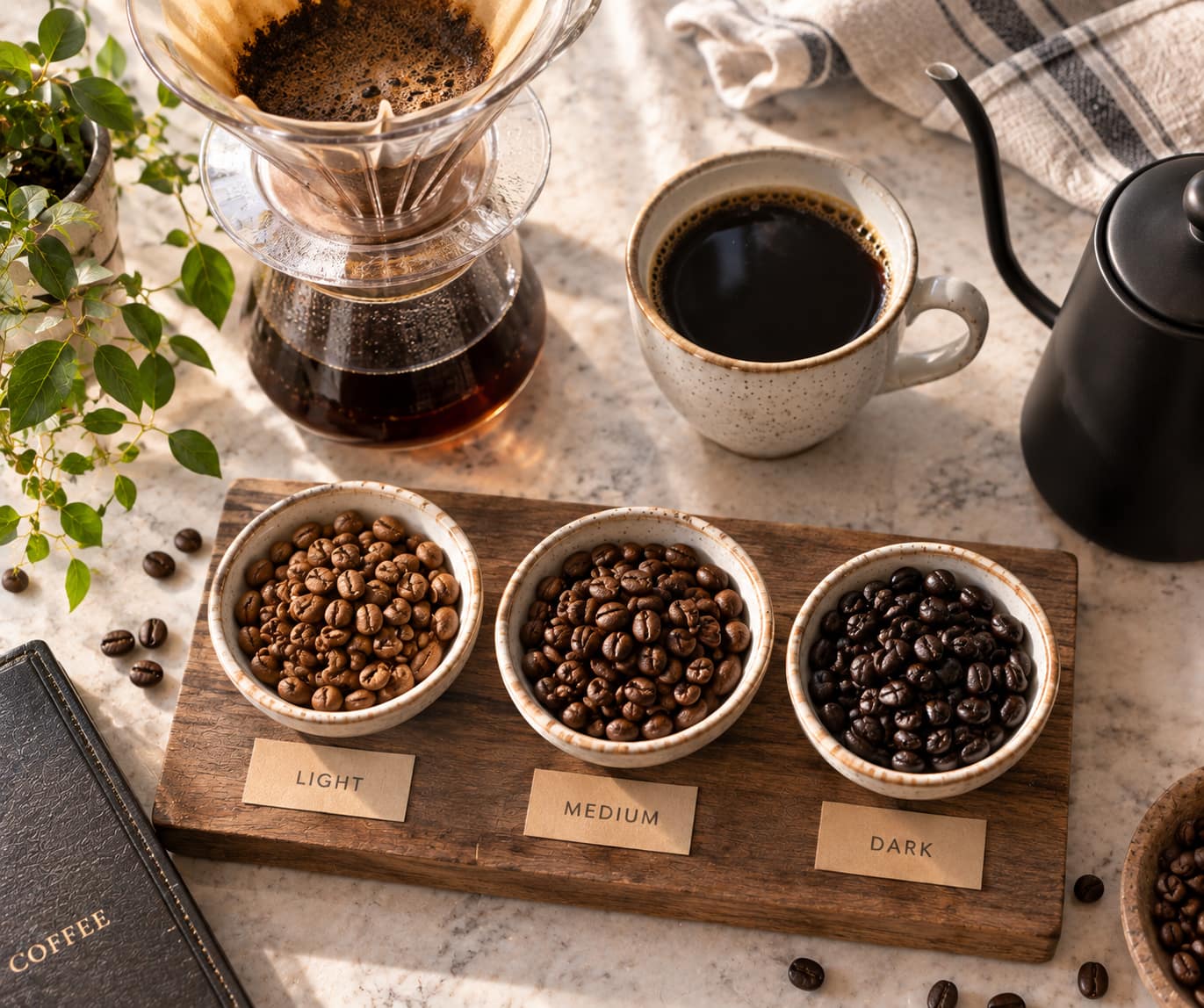
Here’s the honest reality: roast level is the single most important variable for pour over coffee selection. Above all, dark roasts fight against everything pour over is designed to do.
Light to medium roasts win for pour over
Light and medium roasts preserve the bright acidity, distinctive origin notes, and delicate sweetness that pour over showcases. Fruity, floral, tea-like, and citrus characteristics come through with clarity. Meanwhile, the paper filter enhances this clarity by removing oils that would mute those notes in a cafetière.
Why dark roasts struggle in pour over
Dark roasts develop bitter, smoky, and heavy flavour notes through longer roasting. Pour over amplifies whatever is in the bean, which means dark roasts brewed as pour over often taste burnt and one-dimensional. In truth, dark roasts belong in espresso and cafetière, not V60 and Chemex.
Medium-dark can work, but rarely
Some medium-dark roasts survive pour over if the underlying beans have enough character. However, this is the exception rather than the rule. If you’re new to pour over, start with lighter roasts and work up if you find them too bright for your taste.
Best Origins for Pour Over
Certain coffee origins genuinely excel in pour over because their characteristic flavours align perfectly with what the method extracts.
Ethiopia
Ethiopian coffee is arguably the definitive pour over origin. Fruity, floral, tea-like, and often winy or berry-forward, Ethiopian beans showcase everything pour over is designed to reveal. Notably, regions like Yirgacheffe, Sidamo, and Limu each produce distinctive profiles worth exploring individually.
Kenya
Kenyan coffee delivers bright acidity, blackcurrant notes, and full-bodied sweetness. Kenyan single origins in pour over are genuinely one of the most memorable coffee experiences available at home.
Colombia
Colombian single origins tend to be balanced and approachable, with caramel sweetness and gentle acidity. Similarly, they work brilliantly as a first pour over experience for someone stepping up from cafetière or filter brewing.
Central American origins
Guatemala, Costa Rica, and El Salvador all produce excellent pour over coffees. Chocolate, nutty, caramel, and citrus notes come through beautifully. Additionally, Central American coffees tend to be forgiving to brew, making them ideal for pour over practice.
Brazilian single origins
Brazil is often associated with darker blend components, though Brazilian single origins from regions like Cerrado deliver sweet, nutty, chocolatey pour over cups that suit anyone who finds bright acidity too intense.
Our Top Coffees for Pour Over
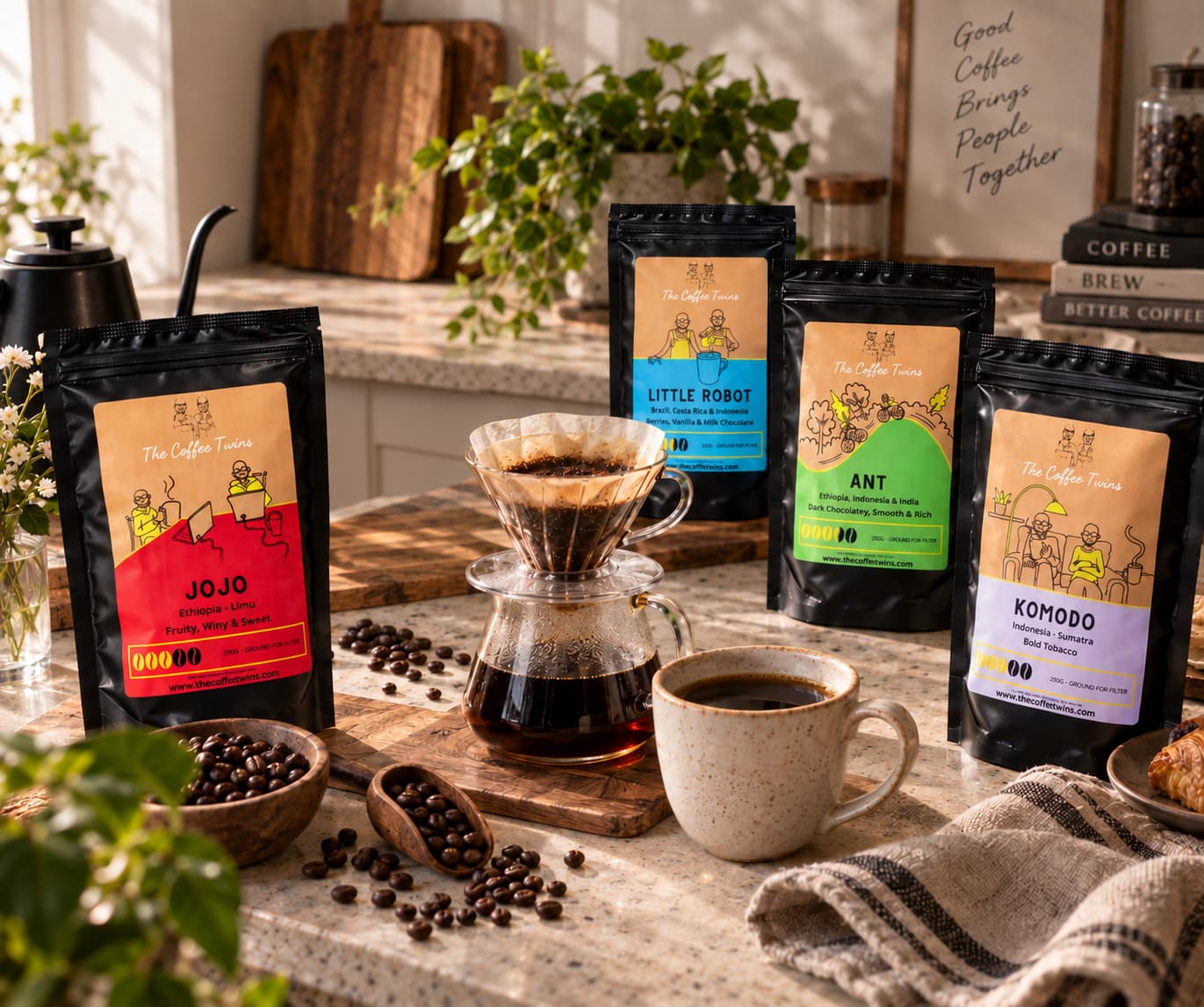
Every coffee we sell comes with a V60 grind option at checkout on selected beans. Here’s our honest breakdown of which coffees genuinely shine in pour over.
Jojo: our top pour over pick
Jojo is our Ethiopian single origin from the Limu region. Fruity, winy, sweet, and genuinely distinctive. Because Ethiopian coffee is the definitive pour over origin, Jojo is our strongest recommendation for anyone serious about pour over brewing. Available with V60 grind at checkout.
Parrot: the accessible pour over choice
Parrot is our Brazilian Cerrado single origin. Sweet, nutty, chocolatey, mild, and easy drinking. If Jojo feels too bright or fruity for your taste, Parrot delivers a rounder, gentler pour over experience without sacrificing clarity. Also available with V60 grind at checkout.
Little Robot: for mellow pour over mornings
Little Robot combines Brazil, Costa Rica, and Indonesia. Berry notes with vanilla and milk chocolate. Meanwhile, this suits an afternoon pour over or a lighter morning cup, especially when you want character without intensity. V60 grind available.
Ant: for pour over drinkers who want depth
Ant is our Ethiopia-Indonesia-India blend. Dark chocolate notes with nougat sweetness. While it’s more commonly associated with milk drinks, Ant delivers a surprisingly rich pour over cup for someone who wants weight rather than brightness. V60 grind available.
Komodo: for the bold pour over experimenter
Komodo brings Sumatran character. Spicy, bold, tobacco notes, full body, long finish. Ultimately, this is a pour over choice for someone who wants distinctive rather than delicate. V60 grind available.
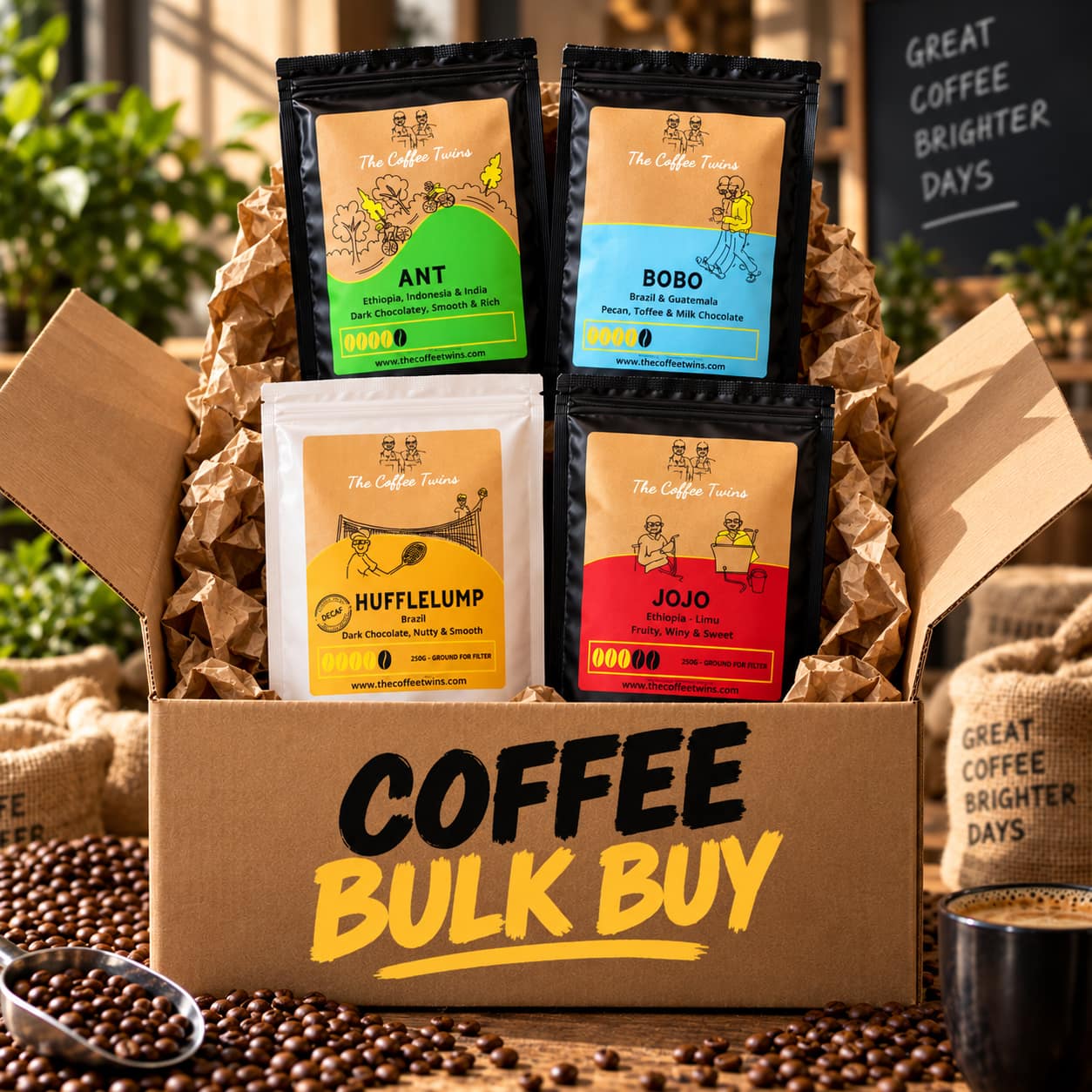
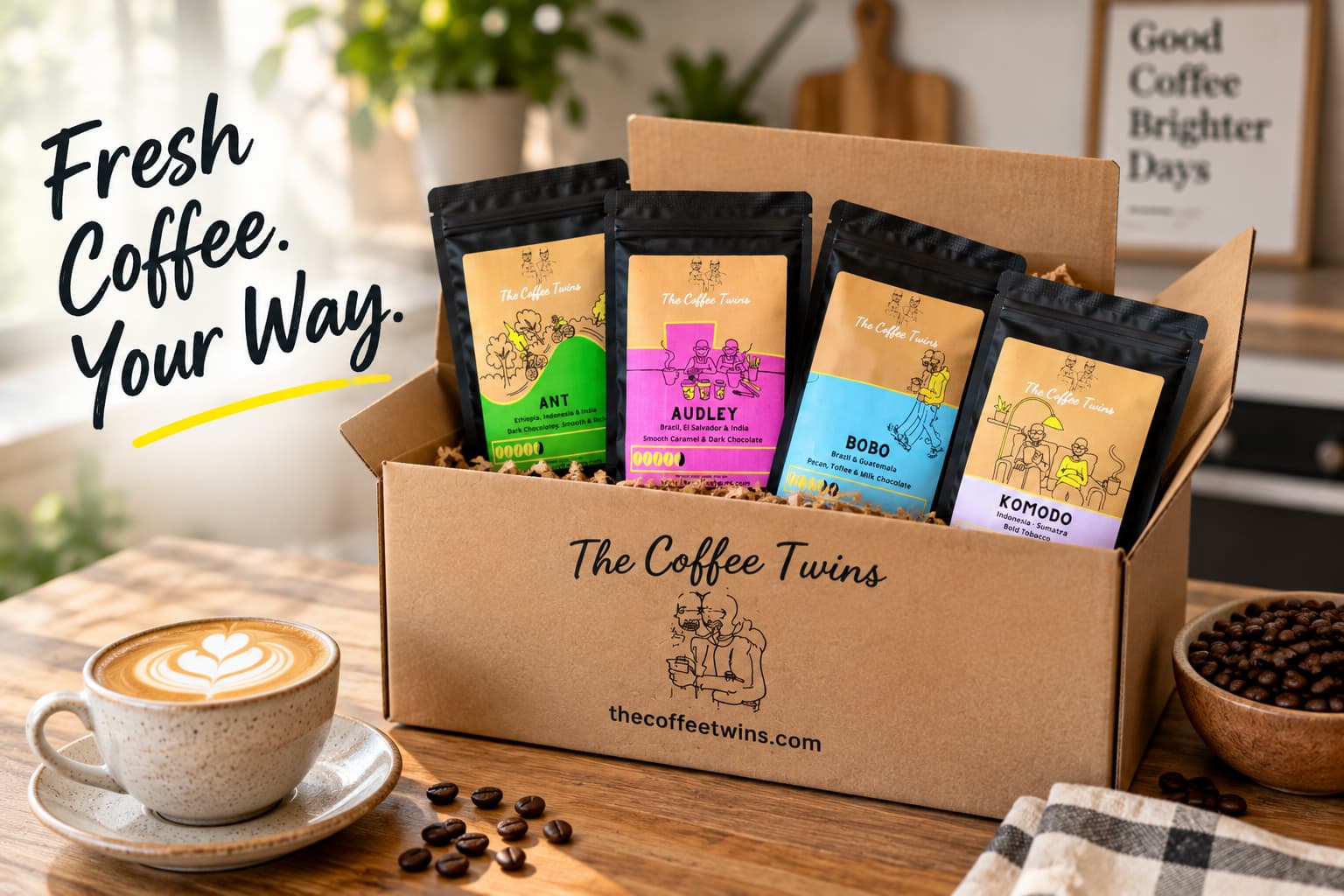
Not sure which pour over coffee to try first? The Tasting Pack includes Jojo alongside Bobo and Audley, so you can compare how a pour over-optimised bean tastes against balanced blend and dark roast. Use NEW10 for 10% off your first order.
Getting the Pour Over Grind Right
Pour over grind sits between filter and cafetière on the coarseness scale. Getting this right is genuinely the difference between an exceptional cup and a disappointing one.
The right pour over grind size
Pour over grind is medium to medium-fine, roughly the texture of coarse sand or table salt. In particular, V60 tends to prefer slightly finer grinds than Chemex or Kalita Wave. See our Medium Fine Coffee Grind guide for grind size specifics.
Why pour over grind matters so much
Too fine and the coffee over-extracts, tasting bitter and astringent. Too coarse and it under-extracts, tasting sour and weak. Meanwhile, pour over is the least forgiving brewing method for grind mistakes, which is why we recommend the V60 grind option at checkout when you don’t own a burr grinder.
Grinder recommendations for pour over
If you’re serious about pour over at home, invest in a burr grinder. Because ground coffee starts losing peak flavour within 15 minutes of grinding, whole beans plus a burr grinder produces the best pour over. See our Amazon Coffee Grinders guide for grinder recommendations across every budget.
Common Pour Over Mistakes
Most pour over disappointments come down to five specific mistakes. Fix these and your cups improve dramatically.
Using dark roast coffee
The biggest pour over mistake is using dark roast beans. Above, we covered why. If your pour over tastes bitter and heavy, try a lighter roast before blaming your technique.
Water temperature too hot or too cold
Pour over water should sit between 92°C and 96°C (roughly 30 seconds off the boil for a kettle). Water that’s too hot over-extracts and tastes bitter. Water that’s too cold under-extracts and tastes sour.
Wrong ratio
A good starting pour over ratio is 1:16 (coffee to water). So for 15g of coffee, use 240g of water. Adjust from there based on taste. Naturally, stronger cups need more coffee or less water; lighter cups need the opposite.
Rushing the bloom
The bloom (initial pour of about twice the coffee weight, left to sit 30-45 seconds) releases CO2 from freshly roasted beans. Rushing or skipping the bloom produces uneven extraction and disappointing cups. For a full walkthrough of proper pour over technique, see our Pour Over Coffee for Beginners guide.
Stale coffee
Fresh coffee is essential for pour over. Beans past their peak simply cannot deliver what the method extracts. Similarly, pre-ground coffee that’s been sitting for weeks won’t produce a great pour over regardless of technique. See our How Long Do Coffee Beans Last guide for full freshness guidance.
Best Pour Over Drippers to Pair With Our Coffee
Different pour over drippers produce slightly different cups. Here’s an honest overview of what pairs well with our coffee.
Hario V60
The industry standard pour over dripper. Spiral ridges and a large opening at the bottom produce fast-flowing extraction that highlights brightness and clarity. Pairs brilliantly with Jojo, Parrot, and Little Robot. Notably, V60 is our default recommendation for anyone starting pour over.
Chemex
Thicker paper filters produce exceptionally clean cups with pronounced clarity. Chemex works particularly well with fruity Ethiopian coffees, so Jojo shines here. In contrast, the slower brew rate rewards a slightly coarser grind than V60.
Kalita Wave
Flat-bottomed with three small drain holes, producing more even extraction than V60. Additionally, this makes Kalita Wave a forgiving choice for beginners. Works well across all our pour over-friendly coffees.
Origami dripper
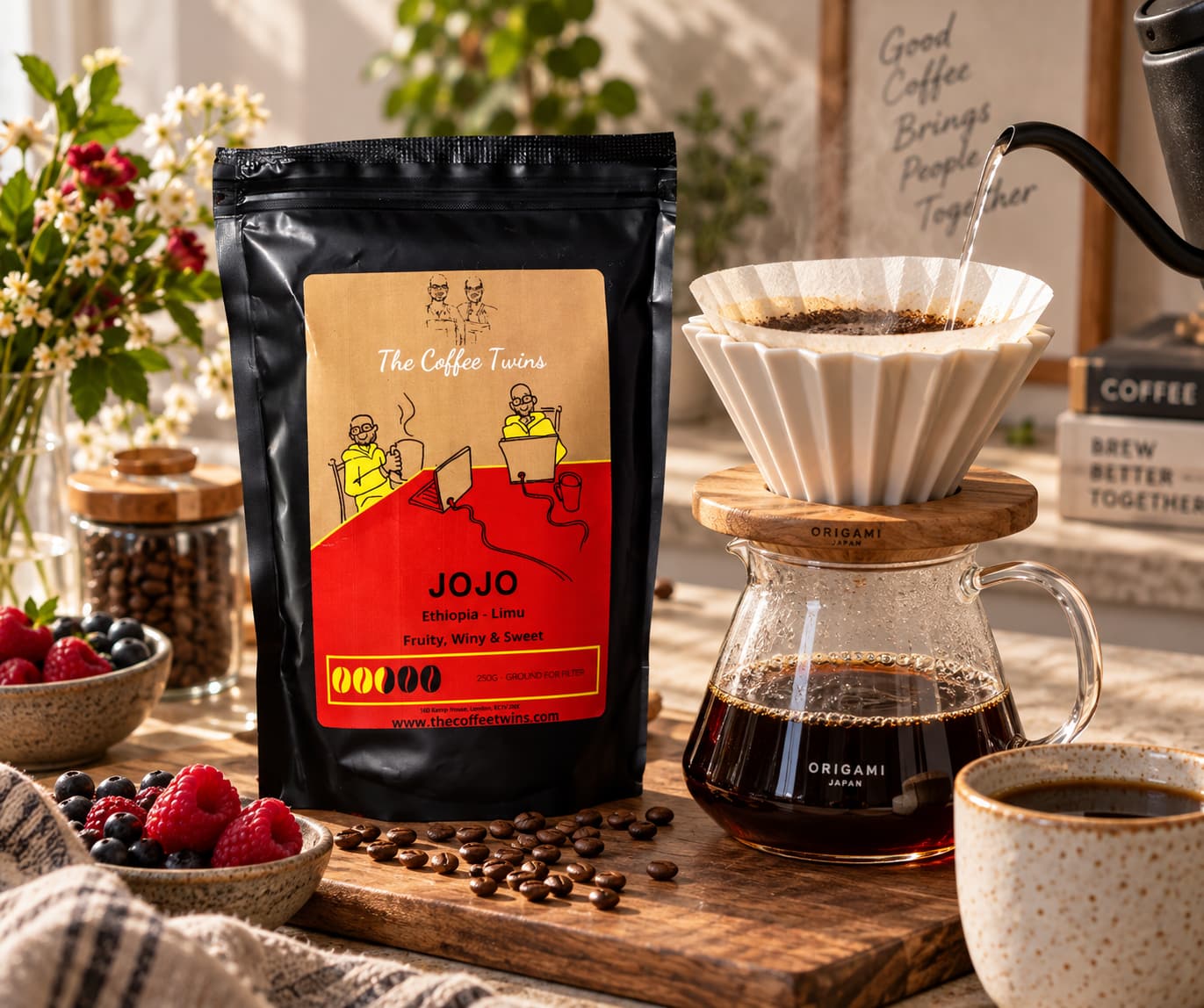
Increasingly popular in speciality cafés. Compatible with both V60 and Kalita Wave papers, giving you flexibility. Particularly rewards precision brewing and premium single origins like Jojo.
Frequently Asked Questions
What is the best coffee for pour over?
The best coffee for pour over is light to medium roast speciality-grade single origin coffee, particularly from Ethiopia, Kenya, or Central American origins. Our top pour over picks are Jojo (Ethiopian Limu) and Parrot (Brazilian Cerrado), both available with V60 grind at checkout.
What roast level works best for pour over?
Light to medium roasts work best for pour over because they preserve the bright acidity, distinctive origin notes, and delicate sweetness the method showcases. Dark roasts brewed as pour over often taste burnt and one-dimensional because pour over amplifies whatever is in the bean.
Can I use espresso beans for pour over?
Technically yes, though usually with disappointing results. Espresso beans are typically dark roasted for extraction under pressure, which produces bitter and heavy cups in pour over. If you brew both, choose a lighter roast specifically for pour over. See our Espresso vs Pour Over comparison for the full breakdown of how the two methods differ.
What’s the ideal pour over grind size?
Pour over grind is medium to medium-fine, roughly the texture of coarse sand or table salt. V60 tends to prefer slightly finer grinds than Chemex or Kalita Wave. Our beans come with a V60 grind option at checkout when you don’t own a burr grinder.
What water temperature is best for pour over?
Pour over water should sit between 92°C and 96°C, roughly 30 seconds off the boil for a kettle. Water that’s too hot over-extracts and tastes bitter; too cold under-extracts and tastes sour.
What’s the best coffee to water ratio for pour over?
A good starting pour over ratio is 1:16 (coffee to water). For 15g of coffee, use 240g of water. Adjust from there based on taste, using more coffee or less water for stronger cups.
Are single origins better than blends for pour over?
Generally yes. Single origins showcase distinctive origin character that pour over extracts beautifully. Well-crafted lighter blends can also work when components are chosen for clarity, though single origins tend to outperform blends in pour over.
What’s the best Ethiopian coffee for pour over?
Ethiopian single origins from regions like Limu, Yirgacheffe, or Sidamo all excel in pour over. Our Jojo is a Limu region single origin with fruity, winy, sweet notes that showcase everything pour over is designed to reveal.
Can I buy pour over coffee on subscription?
Yes. Our coffee subscription offers V60 grind on Jojo, Parrot, Little Robot, Ant, and Komodo. Choose your bean, choose your frequency (weekly, fortnightly, monthly), and receive 10% off every delivery.
How do you know your coffee is good for pour over?
Because The Coffee Twins spent years both making espresso in five-star hotel settings and training hospitality staff on coffee equipment, we know what makes coffee shine in different brewing methods. Our beans are speciality-grade, roasted in England to order, and stocked in five-star London hotels including Trafalgar St James.
Summary
The best coffee for pour over shares five specific qualities:
- Speciality-grade sourcing (80+ SCA score)
- Light to medium roast preserving brightness and origin character
- Fresh roasting because pour over exposes stale coffee brutally
- Distinctive origin character, typically single origins
- The right grind (medium to medium-fine, roughly coarse sand)
Our top pour over picks are Jojo (Ethiopian Limu single origin) and Parrot (Brazilian Cerrado single origin), both available with V60 grind at checkout. Meanwhile, Little Robot, Ant, and Komodo offer alternative pour over experiences for different preferences.
Every coffee is roasted in England to order and stocked in five-star London hotels including Trafalgar St James. Start with Jojo for the definitive pour over experience, choose Parrot for something more approachable, or gift a rolling coffee subscription with V60 grind and 10% off every delivery. Use NEW10 for 10% off your first order. Free UK shipping over £30.
Shop Jojo Ethiopian Single Origin →
Start a pour over subscription →
Enjoying this article?
If you find our coffee guides useful, you can add The Coffee Twins as a preferred source in Google so our latest articles are easier to find in your search results.
Add The Coffee Twins as a preferred source on Google →
Thanks for supporting our little coffee corner of the internet.
0 Comments