

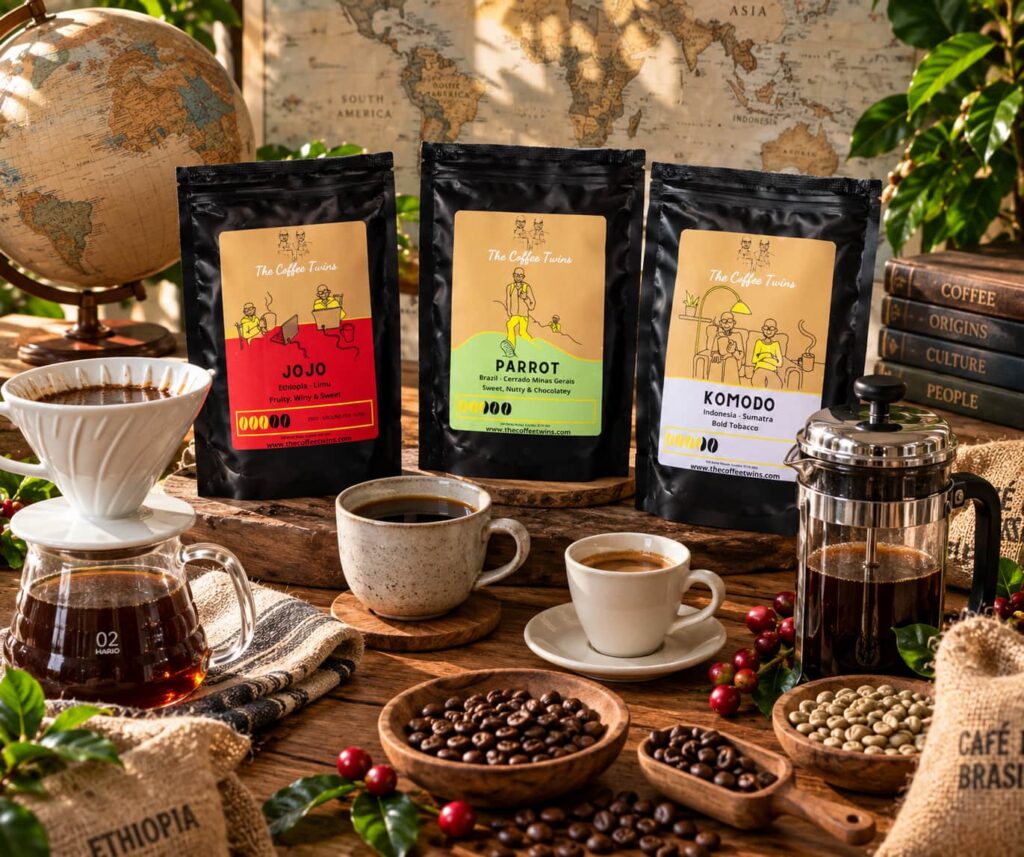
Quick answer: Single origin coffee comes from one specific place (a country, region, farm, or lot) rather than being blended from multiple origins. According to the Specialty Coffee Association, single origin coffees express the distinct terroir of where they’re grown, delivering flavour characteristics tied to soil, altitude, climate, and processing. Our three single origin coffees (Jojo from Ethiopia, Parrot from Brazil, and Komodo from Sumatra) are roasted in England and stocked in five-star London hotels including Trafalgar St James.
Ready to explore single origin coffee? Shop Jojo (Ethiopian), Parrot (Brazilian), or Komodo (Sumatran).
Why trust this guide?

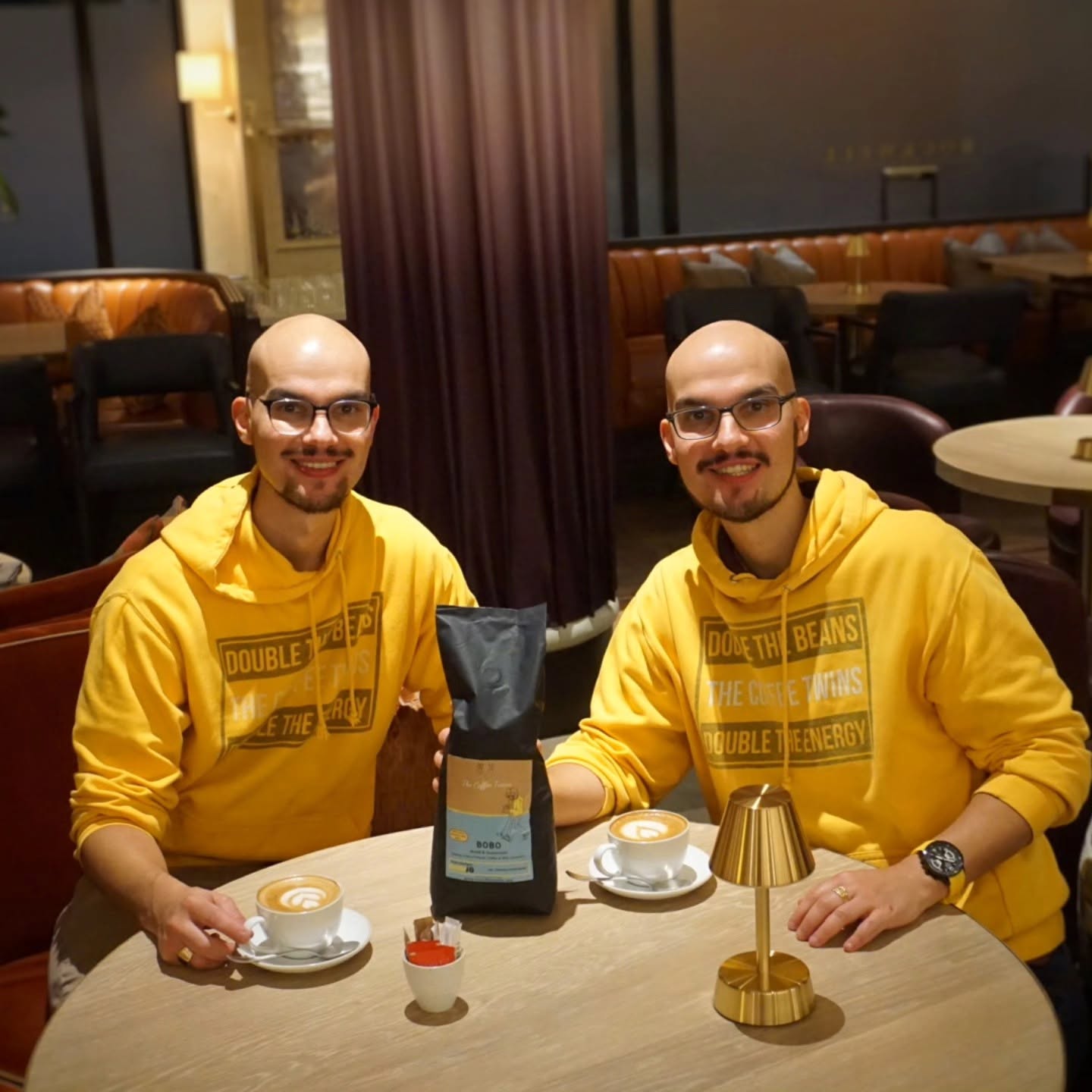
Written by: Jeremiah & Raja, Co-founders, The Coffee Twins
Credentials: UK speciality coffee brand with beans roasted in England. Stocked in five-star London hotels including Trafalgar St James, where we also train hotel staff on machine handling, coffee education, and latte art. Previously ran our own coffee shop in Farringdon after training in five-star hotel food and beverage.
Last reviewed: September 2026
Single origin coffee is where speciality coffee becomes genuinely interesting. Because the beans come from one specific place rather than being blended for consistency, single origin coffees capture the distinct character of their growing environment (soil, altitude, climate, processing, varietal) in a way that no blend can match. This guide covers what single origin coffee actually means, which regions matter most and why, how processing shapes the flavour in your cup, and how to choose the right single origin coffee for the way you brew.
Table of contents
- What is single origin coffee?
- Why does single origin coffee taste different from blends?
- Which single origin coffee regions matter most?
- How does processing shape single origin flavour?
- How do you choose the right single origin coffee?
- Which brewing methods suit single origin coffee?
- How should you store single origin beans?
- Our single origin coffees at a glance
- FAQ
What is single origin coffee?
Single origin coffee is coffee sourced from one specific place, whether that’s a country, a region within a country, a single farm, or an individual lot within a farm. According to the Specialty Coffee Association, single origin coffees express distinctive terroir characteristics that blended coffees deliberately smooth over.
The four levels of single origin
Single origin coffees exist across four levels of specificity. Firstly, country-level single origins (Ethiopian, Brazilian, Colombian) identify the origin country. Meanwhile, regional single origins (Yirgacheffe, Cerrado, Huila) name specific growing regions. Estate single origins name individual farms, and micro-lot single origins identify specific parcels within a farm.
Terroir defines the character
Terroir is the combined effect of soil, altitude, climate, and growing conditions on the final coffee flavour. Because these variables differ significantly between regions, the same coffee varietal grown in Ethiopia and in Brazil produces genuinely different cups.
Traceability is fundamental
Great single origin coffees come with traceability back to their source. In particular, this is what allows the coffee’s origin story to be told honestly, and it’s what supports fair pricing to farmers who genuinely deserve it.
Why does single origin coffee taste different from blends?
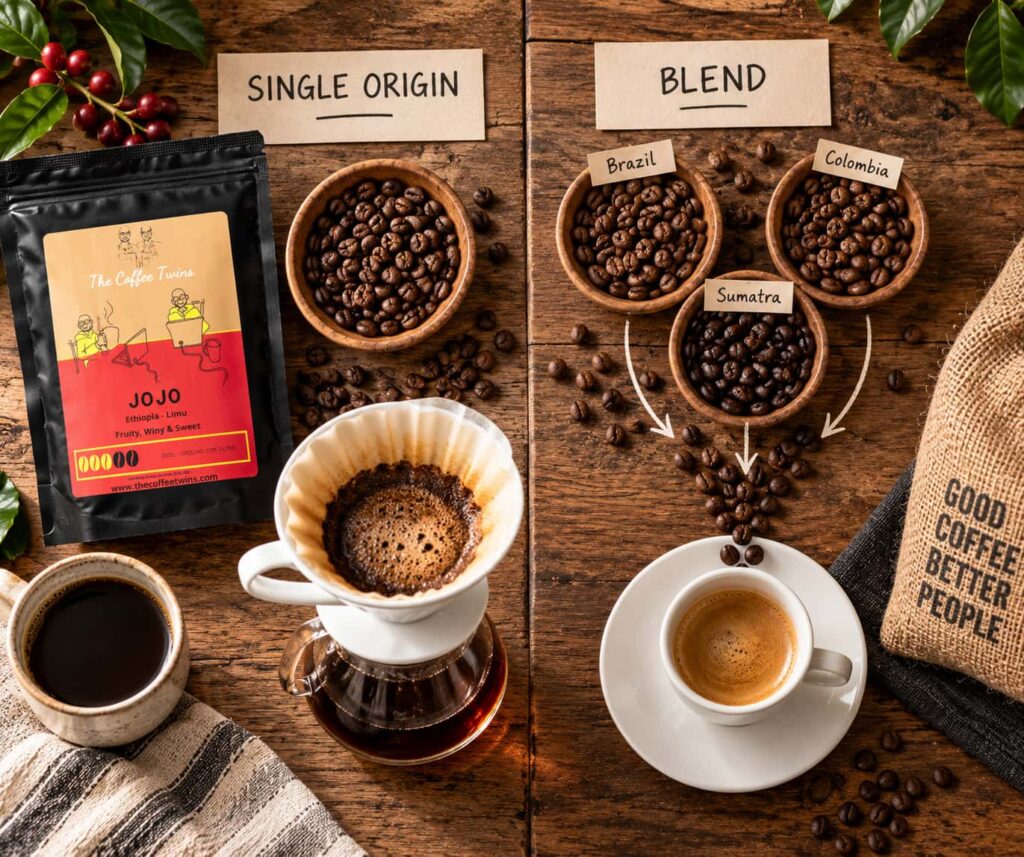
Single origin coffee tastes different from blends because it preserves the distinct flavour characteristics of one place rather than mixing multiple origins for balance. According to SCA research, single origin coffees deliver flavour clarity and origin expression that blends deliberately dilute in pursuit of consistency.
Blends prioritise consistency
Coffee blends combine beans from multiple origins to achieve a stable, repeatable flavour profile across seasons and harvests. So when you buy a blend, you’re buying a specific flavour target that stays the same regardless of what the individual harvests deliver.
Single origins prioritise expression
Single origin coffees showcase what one place produces in one season. Meanwhile, this means the coffee changes as harvests change, and the flavour reflects the growing conditions of that specific year rather than averaging them out.
Both approaches are valid
Neither single origin nor blend is objectively better. In truth, they serve different purposes: single origins suit those wanting to explore the range of what coffee can be, while blends suit those wanting a reliable everyday cup that never surprises them. See our Single Origin Coffee vs Blend guide for the full comparison.
Which single origin coffee regions matter most?
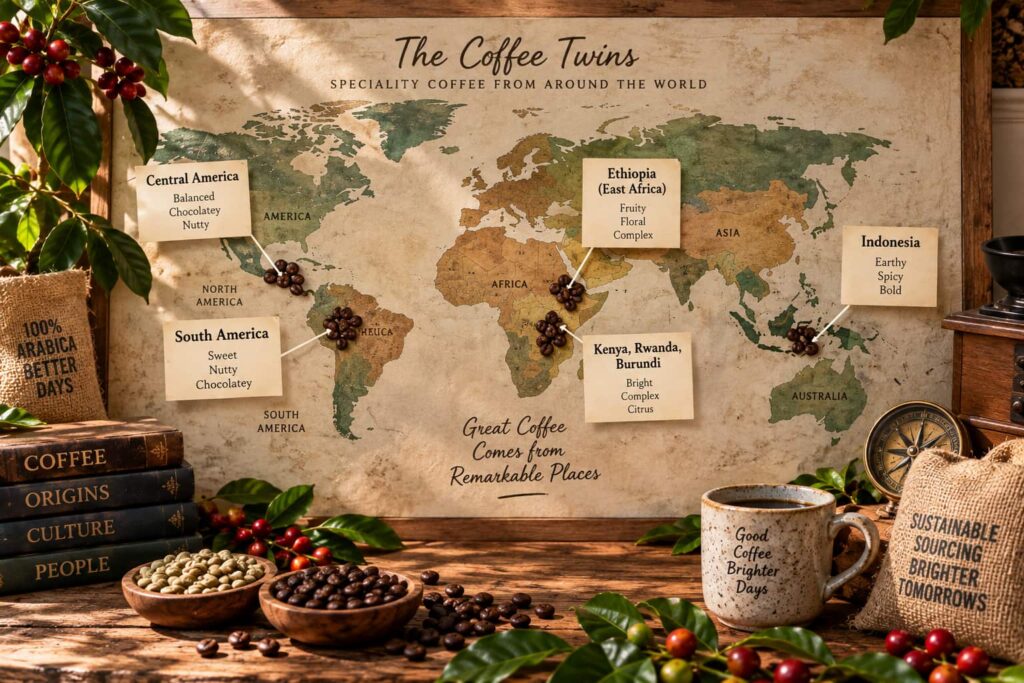
Five coffee-producing regions genuinely define the single origin landscape: Ethiopia, Central America, Indonesia, South America, and East Africa beyond Ethiopia. According to industry data, these regions account for the majority of speciality single origin coffee traded globally, with each producing distinctly different flavour characteristics.
Ethiopian single origin coffees
Ethiopia is genuinely the birthplace of coffee, and Ethiopian single origins deliver flavours no other origin matches. Because Ethiopia grows heirloom varietals at very high altitudes, its coffees deliver bright, fruity, floral, and winy characteristics that define the “African cup” style.
The three Ethiopian regions worth knowing are Yirgacheffe (winy, floral, delicate), Sidama (fruity, complex, balanced), and Harar (bold, savoury, wild). Similarly, our Ethiopian single origin Jojo hails from the Limu region and delivers vibrant, fruity, wine-like character that makes it a definitive Ethiopian experience.
Central American single origins
Central American single origins from Guatemala, Costa Rica, Honduras, Nicaragua, and El Salvador deliver balanced, chocolatey, and nutty profiles. Notably, these coffees are often the most approachable single origins for new speciality coffee drinkers because they balance brightness and body without extremes.
Indonesian single origins
Indonesian single origins from Sumatra, Java, Sulawesi, and Bali deliver bold, earthy, spicy, and sometimes tobacco-like character. Because Indonesia uses distinctive processing methods (particularly the Giling Basah wet-hulling process), Indonesian coffees taste dramatically different from every other origin.
Our Komodo is a Sumatran single origin cultivated near Lake Toba, the world’s largest volcanic lake. Additionally, the traditional Giling Basah wet-grinding method delivers the full-bodied, spicy, tobacco-hinted character that defines Sumatran coffee at its best.
South American single origins
South American single origins from Brazil, Colombia, Peru, and Bolivia deliver sweet, nutty, chocolatey, and often lower-acid profiles. Meanwhile, Brazilian coffees in particular form the backbone of many espresso blends worldwide because of their sweetness and body.
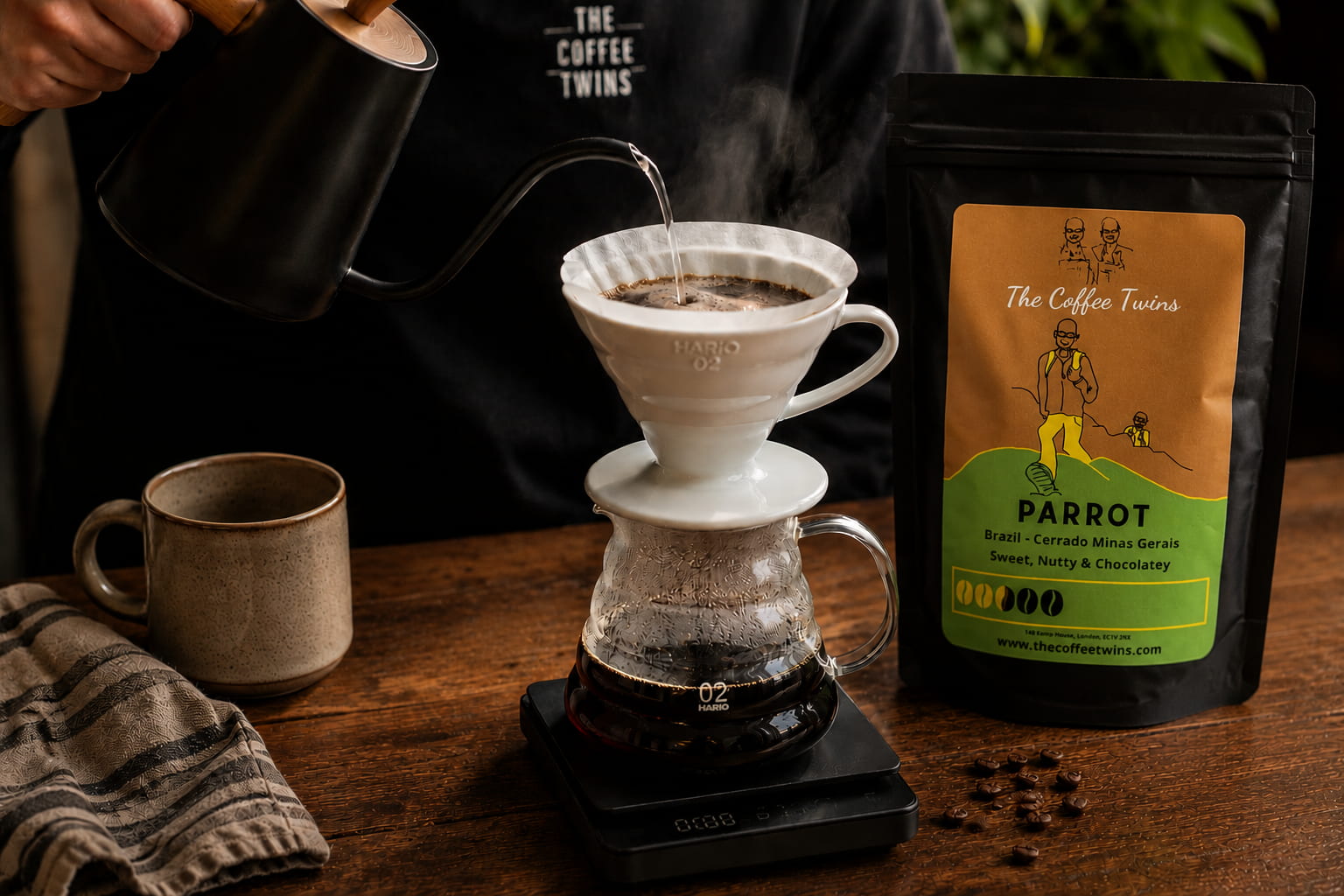
Our Parrot is a Brazilian Cerrado single origin delivering sweet, nutty, and chocolatey character. So Parrot works brilliantly as both an everyday drinker and an espresso-focused single origin.
East African single origins beyond Ethiopia
Kenya, Rwanda, Burundi, and Tanzania deliver bright, complex, blackcurrant-forward, and sometimes tomato-like African coffees distinct from Ethiopian profiles. In particular, Kenyan coffees are famous for their intense acidity and distinctive blackcurrant character that comes from high altitudes and specific processing.
How does processing shape single origin flavour?
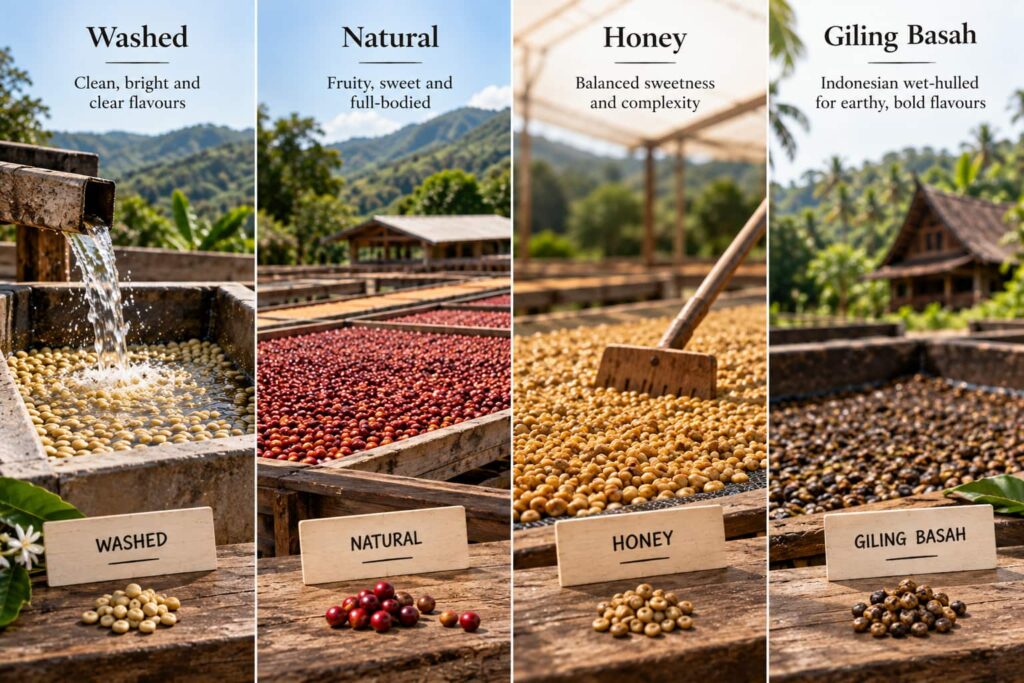
Coffee processing (how cherries are handled after harvest) genuinely shapes single origin flavour as much as the origin itself. According to the Specialty Coffee Association, three primary processing methods produce distinctly different results even from identical beans grown in identical conditions.
Washed processing
Washed (or “wet”) processing removes the coffee cherry fruit before drying, producing clean, bright, and origin-transparent cups. Because the fermentation happens with the fruit removed, washed coffees emphasise the bean’s intrinsic character rather than fruit-added complexity.
Natural processing
Natural (or “dry”) processing dries the whole cherry with the fruit intact, allowing sugars and fruit compounds to transfer into the bean. Meanwhile, this produces sweeter, fruitier, and often wine-like cups with more body than washed processing typically delivers.
Honey processing
Honey processing sits between washed and natural, removing the cherry skin but leaving some fruit mucilage during drying. Similarly, this delivers a middle path with more sweetness than washed but more clarity than natural, popular in Central American single origins.
Giling Basah (wet-hulling)
Giling Basah is Indonesia’s traditional wet-hulling method, unique to that region. Notably, this process produces the distinctive earthy, spicy, and bold character that defines Sumatran and Sulawesi single origins, and it’s how our Komodo gets its character.
How do you choose the right single origin coffee?
Choosing a single origin coffee comes down to matching the flavour profile you enjoy to the origin and roast level that delivers it. According to SCA guidance, the process of finding your preferred single origin is genuinely one of the pleasures of speciality coffee because it introduces you to flavours you might otherwise never discover.
Start with flavour preference
Think about what you actually enjoy in coffee first. If bright, fruity, and floral appeals, start with Ethiopian or Kenyan coffees. Meanwhile, if you prefer smooth, sweet, and chocolatey, start with Central American or Brazilian single origins. If bold, earthy, and spicy sounds better, start with Indonesian single origins.
Consider your brewing method
Different brewing methods suit different single origins. Light, bright single origins (Ethiopian, Kenyan) shine through pour over and AeroPress brewing. Meanwhile, medium and darker single origins (Brazilian, Indonesian) work brilliantly for espresso, Moka pot, and cafetière brewing. See our Best Coffee for Pour Over guide for method-specific single origin recommendations.
Check the roast date
Freshness matters more with single origin coffee than with blends. Because single origins showcase delicate flavour characteristics, stale beans (past four weeks from roast date) lose the very qualities that make single origin coffee special. According to the National Coffee Association, coffee tastes best in the first four weeks after roasting.
Read the tasting notes
Speciality single origin coffees list tasting notes on the packaging. In particular, notes like “citrus, floral, tea-like” indicate a bright washed African coffee, while “chocolate, caramel, nuts” indicate a sweet Central or South American coffee.
Match roast level to origin
Light roasts preserve origin character, while dark roasts prioritise roast character over origin. So single origins benefit from light to medium roasting because that’s where their distinctive terroir characteristics shine through most clearly.
Which brewing methods suit single origin coffee?
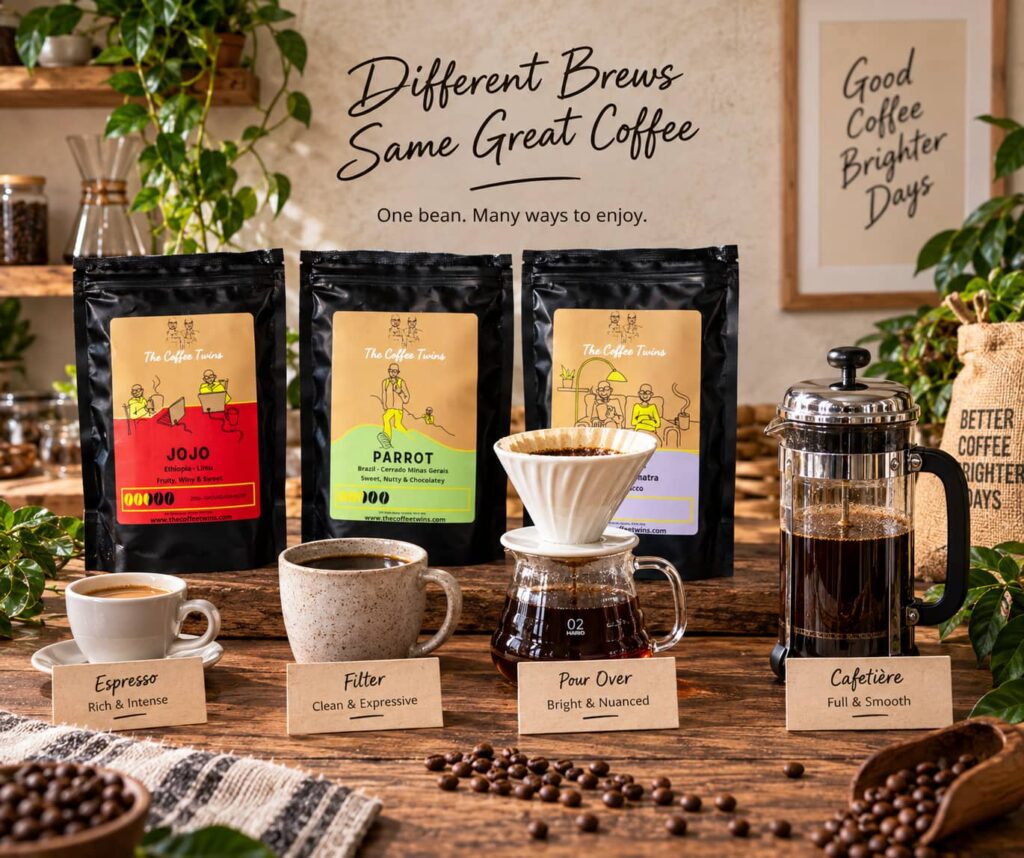
Manual brewing methods suit single origin coffee best because they preserve and showcase the delicate flavour characteristics that define single origins. According to SCA brewing guidance, matching brewing method to bean profile is essential for the single origin’s character to reach the cup intact.
Pour over for clarity and brightness
Pour over (V60, Chemex, Kalita Wave) is genuinely the definitive method for showcasing single origin character. Because the paper filter removes oils and sediment, pour over delivers the cleanest expression of what a single origin actually tastes like.
AeroPress for versatile expression
AeroPress works brilliantly for single origins because it can produce either clean filter-style cups or more concentrated espresso-adjacent brewing depending on technique. Meanwhile, this makes AeroPress the most versatile method for exploring single origin coffees across the range.
Espresso for concentration and body
Single origin espresso is a genuinely different experience to blended espresso, delivering distinctive origin character in concentrated form. In particular, Brazilian, Colombian, and some Ethiopian single origins work brilliantly as espresso when the roast level and grind are dialled in correctly.
Cafetière for full-bodied single origins
Cafetière (French press) suits medium and darker single origins because the immersion brewing and metal mesh filter preserve body and oils. Similarly, Brazilian and Indonesian single origins work particularly well through cafetière brewing.
Getting the ratio right
Every single origin benefits from correct coffee to water ratios. See our Coffee to Water Ratio guide for the definitive ratios by brewing method.
How should you store single origin beans?
Single origin beans need protection from air, light, moisture, and heat to preserve their delicate flavour characteristics. According to coffee freshness research, improper storage can degrade single origin quality within days rather than weeks.
Airtight container in a cool dark cabinet
Store beans in an airtight container away from direct sunlight and heat sources. Meanwhile, avoid the fridge (moisture damages beans) and the freezer (repeated thawing creates condensation that ruins flavour).
Whole bean beats pre-ground
Whole beans retain freshness far longer than pre-ground coffee. Because grinding exposes vastly more surface area to air, ground coffee loses its distinctive character within days rather than weeks.
Use within four weeks of roast date
Great single origin coffee tastes best in the first four weeks after roasting. Above all, this window is when the volatile flavour compounds that define single origin character are at their peak, and it’s why our beans are roasted to order rather than warehoused. See our How to Store Coffee Beans UK guide for full storage detail.
Our single origin coffees at a glance
We offer three genuinely distinctive single origin coffees covering the range from bright African to bold Indonesian. According to our customers, this three-coffee range provides the best introduction to what single origin coffee can deliver across the flavour spectrum.
Jojo: Ethiopian Limu single origin
Jojo is our Ethiopian Limu single origin, delivering fruity, winy, and floral character. Because it comes from Ethiopian highlands and uses natural processing, Jojo showcases everything Ethiopian coffee is famous for in one accessible package.
Grind options include whole bean, espresso, filter, cafetière, and V60. Notably, Jojo is our top recommendation for pour over enthusiasts because it delivers the bright, delicate complexity pour over is designed to showcase.
Parrot: Brazilian Cerrado single origin
Parrot is our Brazilian Cerrado single origin, delivering sweet, nutty, and chocolatey character. Meanwhile, this profile makes Parrot brilliantly versatile across espresso, filter, and cafetière brewing.
Grind options include whole bean, espresso, filter, cafetière, and V60. So Parrot works well as both a single origin espresso and a smooth everyday drinker.
Komodo: Sumatran single origin
Komodo is our Sumatran single origin from near Lake Toba, delivering spicy, bold, and tobacco-hinted character. In particular, the traditional Giling Basah wet-hulling process delivers the distinctive full-bodied character that defines Indonesian coffee.
Grind options include whole bean, espresso, filter, cafetière, and V60. Similarly, Komodo shines in cafetière and Moka pot brewing where its body and depth come through most clearly.
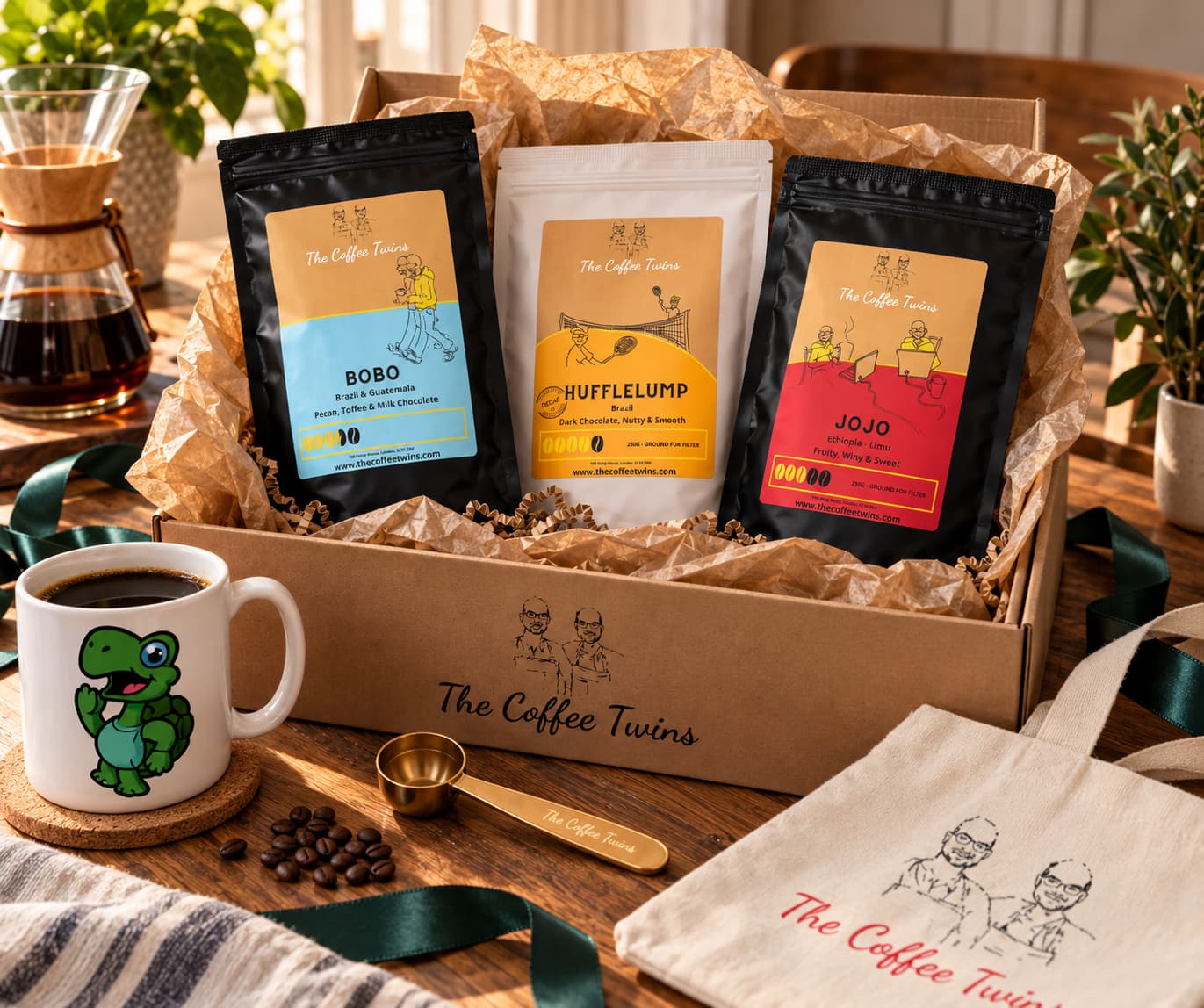
Want to try all three single origins? Our Single Origin Bundle covers Jojo, Parrot, and Komodo in one order so you can taste the full range. Use NEW10 for 10% off your first order.
Frequently Asked Questions
What does single origin coffee mean?
Single origin coffee comes from one specific place: a country, a region within a country, a single farm, or an individual lot within a farm. This is different from blends, which combine beans from multiple origins for balance and consistency.
Is single origin coffee better than blends?
Neither is objectively better; they serve different purposes. Single origins showcase distinctive flavour characteristics of one place, while blends prioritise consistent flavour across seasons. Single origins suit exploration, and blends suit reliable everyday drinking.
What’s the best single origin coffee for beginners?
Central American and Brazilian single origins are typically the most approachable for new speciality coffee drinkers because they balance brightness and body without extreme characteristics. Our Brazilian Parrot single origin is a great starting point.
Which country has the best single origin coffee?
No single country produces “the best” single origin coffee because each origin delivers distinctly different characteristics. Ethiopia produces the brightest and most complex single origins, Brazil produces the sweetest and most balanced, Indonesia produces the boldest, and Kenya produces the most intense.
What’s the difference between single origin and single estate?
Single origin can refer to a country, region, farm, or lot. Single estate specifically refers to coffee from one individual farm, which is a more specific level of single origin. All single estate coffees are single origin, but not all single origin coffees are single estate.
How should I brew single origin coffee?
Manual brewing methods (pour over, AeroPress) work best for light single origins because they showcase delicate flavour characteristics. Medium and darker single origins work well through espresso, cafetière, and Moka pot brewing. Match your brewing method to your coffee’s roast level and character.
Is single origin coffee more expensive?
Single origin coffee typically costs more than commodity blends because it’s traceable, often produced in smaller batches, and represents specific harvests rather than averaged blends. In particular, direct trade single origins support farmers more fairly, which reflects in pricing.
How long does single origin coffee stay fresh?
Single origin coffee tastes best within four weeks of roasting, according to the National Coffee Association. Because single origins showcase delicate flavour characteristics that degrade with age, freshness matters more with single origins than with blends.
Can single origin coffee be used for espresso?
Yes, single origin espresso is a genuinely brilliant experience delivering distinctive origin character in concentrated form. Brazilian, Colombian, and some Ethiopian single origins work particularly well as espresso when correctly roasted and dialled in.
What’s the strongest single origin coffee?
“Strongest” depends on definition: darkest roast, highest caffeine, or boldest flavour. For bold flavour, Indonesian single origins like our Komodo deliver the fullest body and most intense character. For darkest roast character, our Audley blend and darker single origins deliver the most concentrated experience.
Summary
Single origin coffee is coffee from one specific place, capturing the distinct terroir of where it’s grown in ways that blends deliberately smooth over.
Great single origin coffee shares four qualities:
- Clear origin traceability to country, region, farm, or lot
- Distinctive terroir expression from soil, altitude, climate, and varietal
- Careful processing that shapes flavour intentionally (washed, natural, honey, or Giling Basah)
- Fresh roasting to preserve the delicate characteristics that define the origin
Our three single origin coffees cover the flavour spectrum:
- Jojo (Ethiopian Limu): bright, fruity, winy, floral
- Parrot (Brazilian Cerrado): sweet, nutty, chocolatey
- Komodo (Sumatran): spicy, bold, full-bodied
Every bean we supply is roasted in England to order and stocked in five-star London hotels including Trafalgar St James. Use NEW10 for 10% off your first order. Free UK shipping over £30.
Shop the Single Origin Bundle →
Set up a coffee subscription →
Enjoying this article?
If you find our coffee guides useful, you can add The Coffee Twins as a preferred source in Google so our latest articles are easier to find in your search results.
Add The Coffee Twins as a preferred source on Google →
Thanks for supporting our little coffee corner of the internet.
0 Comments