

Why trust this guide?
Written by: Jeremiah & Raja — Co-founders, The Coffee Twins
Credentials: UK speciality coffee brand with beans roasted in England. Stocked in five-star London hotels including Trafalgar St James, where we also train hotel staff on machine handling, coffee education, and latte art. Previously ran our own coffee shop in Farringdon after training in five-star hotel food and beverage.
Last reviewed: September 2026
Most people have never tasted genuinely great coffee beans. That’s not a criticism — it’s just the reality of how the UK coffee market works. Supermarket shelves are stacked with commodity coffee dressed up as premium, and even most café chains use beans that are months past their peak. Because we came from café operations and five-star hotel training, we know what separates truly great coffee beans from the rest. This guide covers the five qualities that matter, why they matter, and how to spot them when you’re buying.
Table of contents
- What actually makes coffee beans great
- Speciality-grade sourcing
- Fresh roasting with visible dates
- Origin transparency
- The right grind for your method
- Honest sellers who care about your cup
- The supermarket coffee problem
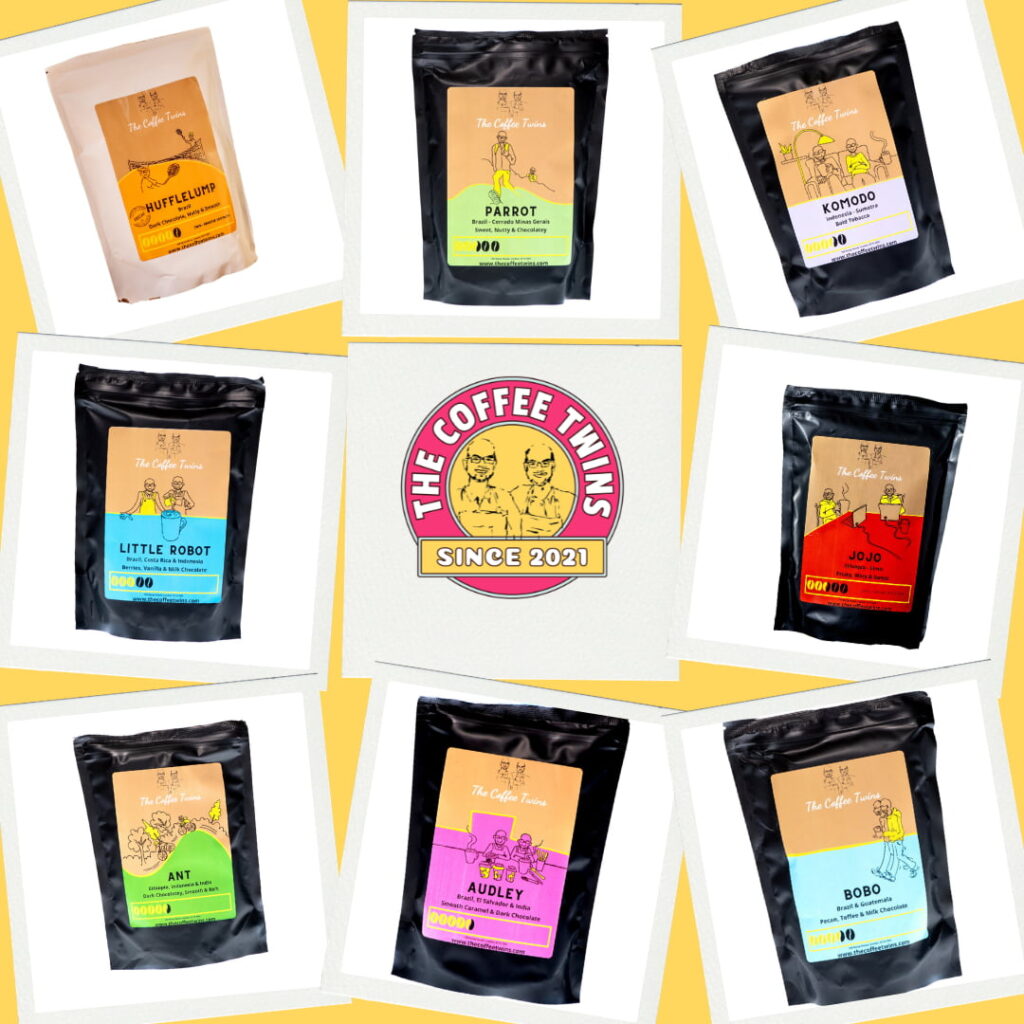
- Our beans and why they qualify
- FAQ
What Actually Makes Coffee Beans Great
Great coffee beans aren’t defined by marketing language. Instead, they’re defined by five specific qualities that stack together to produce a genuinely memorable cup:
- Speciality-grade sourcing — scored 80+ on the SCA quality scale
- Fresh roasting — with visible roast dates, not just “best before”
- Origin transparency — you know where the beans came from
- The right grind for your method — chosen at purchase, not later
- Honest sellers — who genuinely care whether you enjoy the cup
Meanwhile, most coffee sold in the UK fails on at least three of these five. That’s why “coffee is coffee” is a myth — the gap between commodity beans and truly great coffee beans is enormous, and once you’ve tasted the difference, you can’t unhear it.
Want to taste the difference? Our Tasting Pack covers three beans across the roast spectrum — the honest way to discover what great coffee actually tastes like.
1. Speciality-Grade Sourcing

According to the Specialty Coffee Association cupping protocol, speciality coffee scores 80+ on a 100-point scale. Commodity coffee — what fills supermarket shelves and cheap wholesale contracts — scores lower. That single scoring threshold separates truly great coffee beans from everything else.
What “speciality-grade” actually means
Speciality-grade beans are inspected for defects, cupped for flavour, and sourced with genuine care about farm-level quality. As a result, they carry no primary defects, minimal secondary defects, and demonstrate distinctive positive attributes in the cup. Commodity coffee has none of these guarantees.
Why supermarket coffee usually isn’t speciality
Supermarket coffee is priced to move at volume. Because speciality-grade beans cost more at source, most supermarket “premium” labels are just marketing on commodity-grade coffee. Look for the word “speciality” specifically — not “gourmet,” “premium,” “select,” or “artisan.” Those terms mean nothing.
How to check
Quality sellers state their beans are speciality-grade openly. If a coffee brand can’t or won’t confirm speciality-grade sourcing, walk away — they’re either not selling speciality, or they don’t understand the difference themselves. Neither is a good sign.
2. Fresh Roasting With Visible Dates
Coffee is a fresh food. According to the National Coffee Association, coffee tastes best in the first four weeks after roasting. Whole beans stay fresh longer than ground, but even sealed whole beans lose peak flavour over time.
Why roast dates matter more than best-before dates
Best-before dates on coffee are usually 12-24 months after roasting. In reality, coffee is well past its flavour peak within 6-8 weeks post-roasting. So a “best before December 2027” bag might have been roasted in October 2025 — technically drinkable, but tasting flat, cardboard-like, or lifeless.
What great coffee beans have on the bag
Every bag from a serious speciality roaster shows the roast date clearly. If you can’t find the roast date on the bag, it’s probably been sitting in a warehouse for months. Meanwhile, supermarket coffee almost never shows roast dates — because that would reveal how stale it actually is.
Our approach
Our beans are roasted in England to order and dispatched within 24 hours. Every bag shows the roast date. When your order arrives, you’re drinking coffee at peak freshness — not the “best before” myth. See our How Long Do Coffee Beans Last guide for full storage details.
3. Origin Transparency
Where do the beans come from? Quality coffee sellers know exactly. Cheap sellers hide it deliberately behind vague marketing language.
What great coffee beans tell you
Truly great coffee beans come with clear origin information: country, region, sometimes specific farm or cooperative, processing method, and altitude. Ethiopian Yirgacheffe tastes completely different from Ethiopian Guji. Brazilian Cerrado is nothing like Brazilian Mogiana. Specificity matters because location shapes flavour profoundly.
Red flags in origin descriptions
- “Premium blend” with no country listed
- “100% Arabica” as the only quality claim
- “Selected beans” without saying selected from where
- “Gourmet coffee” — a term that means literally nothing
- Vague country blends (“Central American blend”) without specifics
Our origins
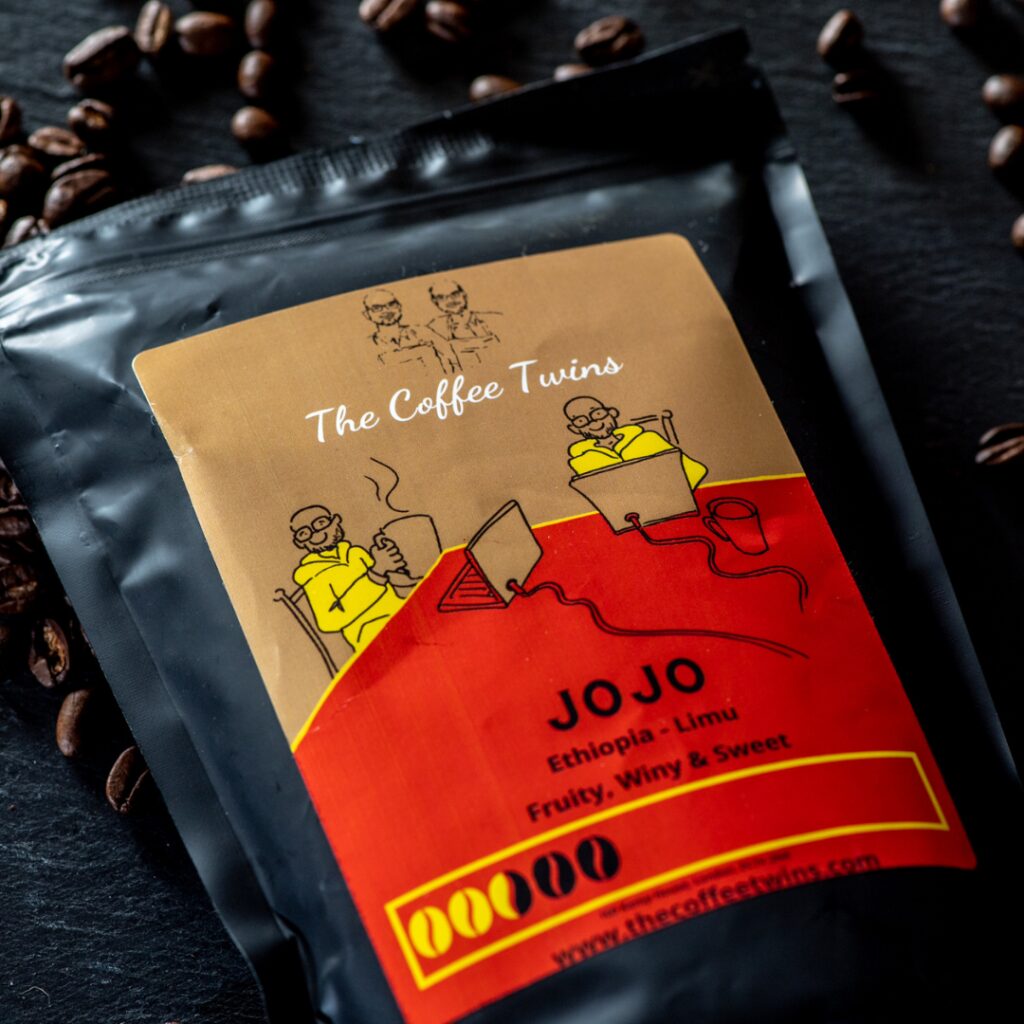
Every bag we sell shows origin transparently. The medium blend Bobo combines Brazil (Cerrado) and Guatemala. Meanwhile, our darkest blend Audley uses Brazil, El Salvador, and India. Then there’s the Ethiopian single origin Jojo, which comes specifically from the Limu region. When we don’t know where beans came from, we don’t sell them.
4. The Right Grind for Your Method
Even great coffee beans taste mediocre when ground wrong for your brewing method. Espresso needs a fine grind, like caster sugar. Cafetière needs a coarse grind, like sea salt. Filter sits between them. Get this wrong and your extraction is either sour and thin or bitter and harsh.
Whole beans versus pre-ground
Ideally, buy whole beans and grind fresh for each brew — that’s how you preserve maximum flavour. Because whole beans stay fresh 2-4 weeks after opening, while ground coffee starts losing peak flavour within 15 minutes of grinding. So whole beans plus a burr grinder is genuinely the best route to great coffee at home.
When pre-ground is fine
If you don’t own a burr grinder, quality sellers should offer grind options at checkout. Our beans come with grind options — whole bean, espresso, filter, cafetière — so you get the right grind for your brewing method from the start. When you finish the bag within two to three weeks of opening, pre-ground works well. See our Medium Fine Coffee Grind guide for grind size specifics.
The grind mistake most people make
Supermarket “espresso-ground” coffee is usually ground months before you buy it. Even worse, the grind is one-size-fits-all — a compromise that doesn’t work well for any specific brewing method. Great coffee beans need a grind chosen for your specific setup, not a supermarket compromise.
5. Honest Sellers Who Care About Your Cup
This is the quality most guides skip, though it’s arguably the most important. Great coffee beans come from people who genuinely care whether you enjoy the cup. Commodity coffee comes from sellers who just want the transaction.
What honest sellers do
- Tell you when to drink the beans (roast date + guidance)
- Recommend brewing methods that suit each bean
- Suggest which grind to choose for your setup
- Answer questions honestly — including “this isn’t the bean for you”
- Follow up with brewing tips, not just marketing emails
The Farringdon lesson
When we ran the Farringdon coffee shop three years ago, we learned quickly that most wholesale coffee suppliers don’t care about the end cup. They cared about the invoice. Meanwhile, the suppliers we genuinely respected asked how the coffee was tasting, offered training when we struggled with a bean, and were honest when a batch wasn’t at their normal quality. Those are the people worth buying from.
How we work now
We treat every order – retail or wholesale – as if you’re a regular in our shop. Our beans arrive with tasting notes and brewing suggestions. We answer questions honestly when customers ask which bean suits their setup. Sometimes that means telling someone Jojo isn’t the right bean for their milky lattes. Honest advice beats a lost sale every time.
The Supermarket Coffee Problem
Most UK supermarket coffee fails all five qualities above. Commodity beans, no visible roast dates, vague origin claims, wrong grind for most brewing methods, and sold by companies that never think about your cup after checkout.
What supermarket coffee actually is
Supermarket “premium” coffee is usually commodity coffee (scored under 80 on the SCA scale), roasted months before it reaches the shelf, sitting in your cupboard for weeks after purchase, ground one-size-fits-all, and sold with zero after-purchase care. As a result, even people who think they don’t like coffee often just haven’t tasted coffee that isn’t stale, commodity-grade coffee.
The exception
Some supermarkets carry genuine speciality brands in their premium range — usually with visible roast dates and clear origin. When you find these, they can be a decent starting point. Ultimately though, buying direct from speciality roasters gives you fresher coffee at similar prices because you skip the retailer margin and the warehouse waiting time.
Why direct-from-roaster wins
Direct from a UK roaster: beans arrive within days of roasting, chosen for your brewing method, with brewing guidance. Supermarket coffee: beans arrive weeks or months past roasting, ground for nothing specific, with zero guidance. The price difference is often smaller than people assume — especially when you factor in the massive quality gap.
Our Beans and Why They Qualify
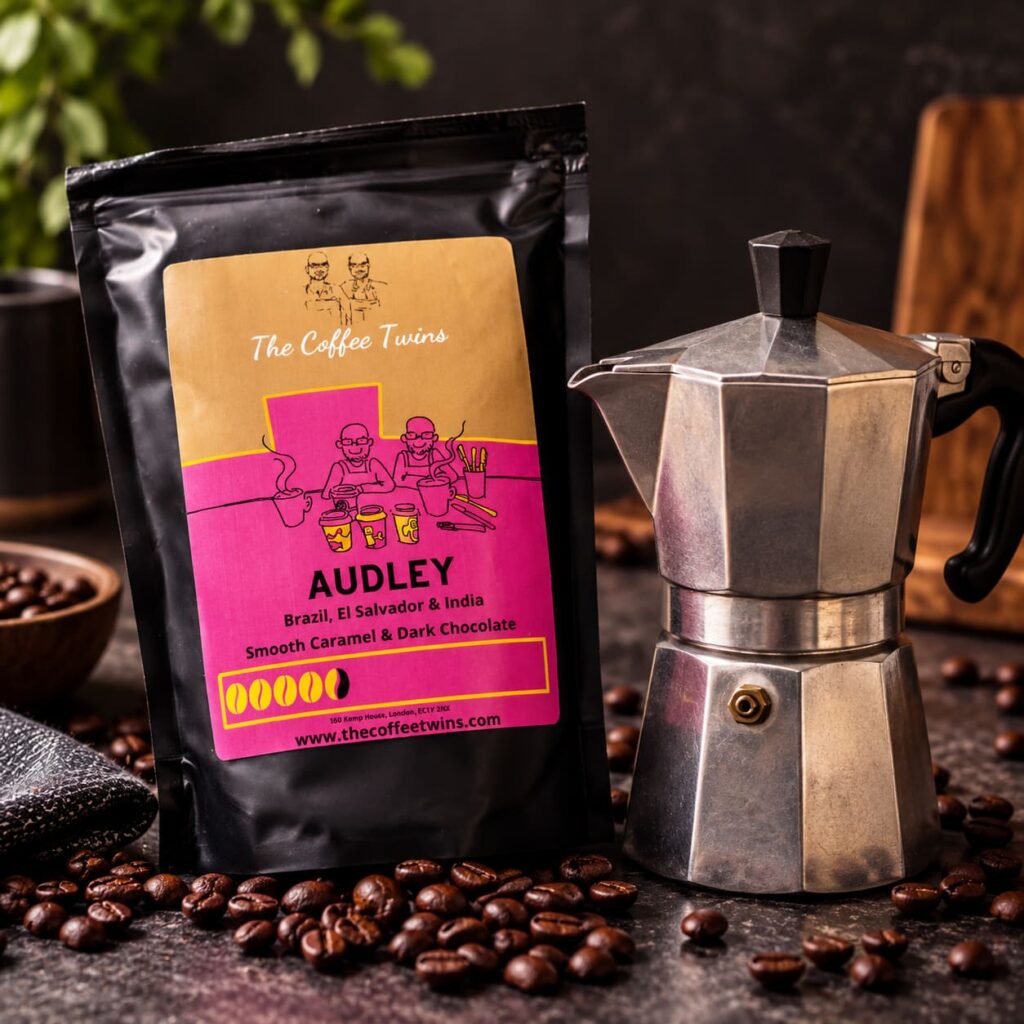
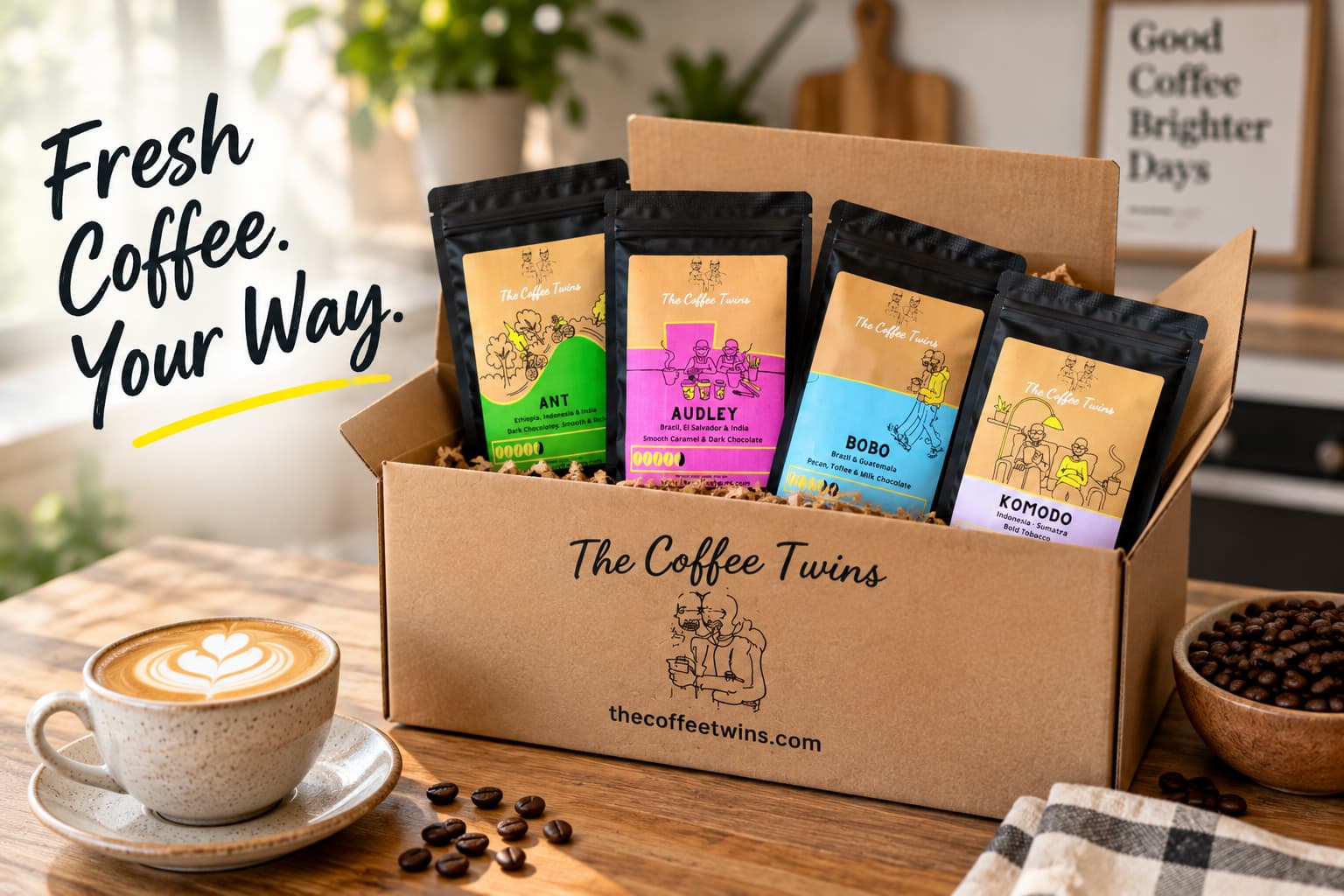
Our range covers different tastes and brewing methods, but every bean shares the same five qualities we’ve covered above. Here’s the honest breakdown:
Bobo — everyday balance
Brazil and Guatemala. Pecan, toffee, milk chocolate. Our medium roast blend, balanced enough for espresso through cafetière. If you’re new to speciality coffee and want the safest starting point, Bobo is the answer. Rated 4/5 for body and sweetness.
Audley — strongest character
Brazil, El Salvador, and India. Caramel and dark chocolate. Our darkest blend, built for espresso and milk drinks that need real backbone. If you drink espresso-based milk drinks and want intensity, Audley delivers. Rated 4.5/5 for roast, 5/5 for body.
Jojo — Ethiopian single origin
Ethiopia, Limu region. Fruity, winy, sweet. Light roast single origin that showcases Ethiopian character. If you brew filter, pour-over, or AeroPress and want something distinctive, Jojo is what light-roast coffee should taste like. Rated 2.5/5 for roast, 4/5 for acidity.
Hufflelump — evening decaf
Swiss Water process decaf, Brazilian beans. Dark chocolate, smooth. When you want the coffee ritual without late-night caffeine, Hufflelump delivers a genuinely great decaf — not the flat, hollow decaf most supermarkets sell.
Not sure which bean is right for you? The Tasting Pack covers three beans across the roast spectrum. Use NEW10 for 10% off your first order. Free UK shipping over £30.
What every bag shares
- Roasted in England to speciality standards
- Dispatched within 24 hours of roasting
- Grind options at checkout — whole bean, espresso, filter, cafetière
- Clear origin and tasting notes on every bag
- Roast date printed clearly
- Stocked in five-star London hotels including Trafalgar St James, where we also train the staff
Frequently Asked Questions
What makes coffee beans great?
Great coffee beans share five specific qualities: speciality-grade sourcing (80+ on the SCA scale), fresh roasting with visible roast dates, transparent origin information, the right grind for your brewing method, and honest sellers who genuinely care whether you enjoy the cup. Most supermarket coffee fails on at least three of these.
How can I tell if coffee beans are actually good quality?
Check for a visible roast date on the bag, clear origin information (country and region specifically), the word “speciality” or “speciality-grade” in the description, and grind options at purchase. When these are missing, the coffee is probably commodity-grade regardless of marketing language.
Are supermarket coffee beans great coffee beans?
Usually no. Most supermarket coffee is commodity-grade (scored below 80 on the SCA scale), roasted months before you buy it, and sold with vague origin claims. Some supermarkets do stock genuine speciality brands in their premium range — but even these usually sit on shelves longer than a direct-from-roaster order.
What is speciality-grade coffee?
Speciality-grade coffee scores 80 or above on the 100-point Specialty Coffee Association cupping scale. These beans are inspected for defects, cupped for flavour, and sourced with genuine attention to farm-level quality. Commodity coffee — the standard supermarket offering — falls below this threshold.
How long do great coffee beans last?
Whole beans stay fresh for 2-4 weeks after opening the bag, though roasted whole beans in sealed packaging can hold quality for several weeks pre-opening. Pre-ground coffee has a shorter window of 1-2 weeks after opening. See our How Long Do Coffee Beans Last guide for full timeframes.
Should I buy whole beans or pre-ground coffee?
Whole beans plus a burr grinder gives you the best coffee, because ground coffee starts losing peak flavour within 15 minutes. When you don’t own a grinder, quality sellers offer grind options at checkout so you get the right grind for your brewing method from the start.
Where should I buy great coffee beans in the UK?
Direct from a UK speciality roaster is genuinely the best route — you get fresher beans, brewing guidance, and honest advice. Our beans are roasted in England and dispatched within 24 hours. Order the Coffee Twins Tasting Pack to try three beans across the roast spectrum.
What’s the best coffee bean for beginners?
For beginners, Bobo is the safest starting point — a balanced medium roast blend that works across espresso, filter, and cafetière brewing. When you want to try multiple styles, the Tasting Pack covers three beans across the roast spectrum.
Why is speciality coffee more expensive than supermarket coffee?
Speciality-grade beans cost more at source because farmers are paid genuine premium prices for higher-quality coffee. Fresh roasting and smaller batch production add cost too. When you buy direct from a UK roaster rather than through supermarket supply chains, you’re paying for quality rather than retailer margins and warehouse waiting time.
How do you know your beans are truly great coffee beans?
Because we’ve spent years both making espresso in five-star hotel settings and training hospitality staff on coffee equipment, we know the standard great coffee has to meet. Our beans are speciality-grade, roasted in England within 24 hours of dispatch, and stocked in five-star London hotels including Trafalgar St James, where we also train the staff. Every bag shows roast date, origin, and tasting notes.
Summary
Great coffee beans share five specific qualities:
- Speciality-grade sourcing (80+ on the SCA scale)
- Fresh roasting with visible roast dates
- Origin transparency (country, region, sometimes farm)
- The right grind for your brewing method
- Honest sellers who care whether you enjoy the cup
Most supermarket coffee fails on at least three of these. Meanwhile, direct from a UK speciality roaster gives you fresher beans, clearer information, and genuine brewing guidance. Our beans are roasted in England within 24 hours of dispatch and stocked in five-star London hotels including Trafalgar St James.
Start with the Coffee Twins Tasting Pack to try three beans across the roast spectrum, or go straight to Bobo for balanced everyday coffee, Audley for strongest espresso character, Jojo for Ethiopian single origin brilliance, or Hufflelump for a genuinely great decaf. Use NEW10 for 10% off your first order. Free UK shipping over £30.
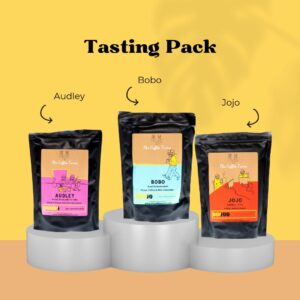
Shop the Coffee Twins Tasting Pack →
Enjoying this article?
If you find our coffee guides useful, you can add The Coffee Twins as a preferred source in Google so our latest articles are easier to find in your search results.
Add The Coffee Twins as a preferred source on Google →
Thanks for supporting our little coffee corner of the internet.

0 Comments