
Quick answer: The best decaf coffee in the UK is a Swiss Water process, speciality-grade single origin — because chemical-free decaffeination combined with good green beans is the only way decaf tastes like proper coffee. Our pick is Hufflelump — a Swiss Water Brazilian decaf, roast 4/5, body 4/5, dark chocolate and nutty notes. £10.50 / 250g, free UK shipping over £30.
If you want to skip the guide: Buy Hufflelump here →
Why trust this guide?
We’re Jeremiah and Raja, The Coffee Twins. Our coffee is roasted in England, and our beans are stocked in five-star London hotels. We made our Hufflelump decaf because we were tired of serving guests decaf that tasted flat. This guide tells you what to look for in UK decaf and why most of it is terrible.
Table of contents
- Why most UK decaf tastes terrible
- What “Swiss Water Process” actually means
- Our top pick: Hufflelump Swiss Water Decaf
- What to look for when buying decaf in the UK
- Decaf for pregnancy and caffeine-sensitive drinkers
- How to brew decaf so it tastes as good as regular coffee
- FAQ
Why Most UK Decaf Tastes Terrible
There are three reasons most decaf coffee in the UK – including almost everything on supermarket shelves, tastes flat, hollow, or faintly chemical.
1. Chemical solvent decaffeination. The cheapest way to remove caffeine is with methylene chloride or ethyl acetate – industrial solvents that leave trace residues. While legally regulated, these decafs often carry a faint industrial aftertaste that experienced coffee drinkers pick up immediately.
2. Low-quality green coffee. Commodity decaf is usually made with cheaper green beans, on the assumption that decaf drinkers “won’t care about taste.” The result is weak coffee made weaker.
3. Over-roasting to hide flaws. Many commercial decafs are roasted very dark to mask the underlying quality of the beans. This gives you bitterness instead of complexity.
Avoid all three of these things and decaf tastes like proper coffee. Which is exactly why our Hufflelump exists.
What “Swiss Water Process” Actually Means (And Why It Matters)
The Swiss Water Process is a 100% chemical-free decaffeination method developed in Switzerland in the 1930s and now used by speciality decaf specialists worldwide.
Here’s how it works, without the jargon:
- Green coffee beans are soaked in hot water, which extracts both caffeine and flavour compounds.
- The water is filtered through activated charcoal, which captures caffeine molecules but lets flavour compounds pass through. The result is called “Green Coffee Extract”; water saturated with flavour but no caffeine.
- A new batch of green beans is soaked in this flavour-rich water. Because the water already contains the flavour compounds, only caffeine leaves the beans – the flavour stays.
The result: 99.9% caffeine removed, flavour preserved, zero chemical solvents. It’s more expensive than chemical decaffeination, which is why most mass-market UK decaf doesn’t use it.
Our Top Pick: Hufflelump Swiss Water Decaf
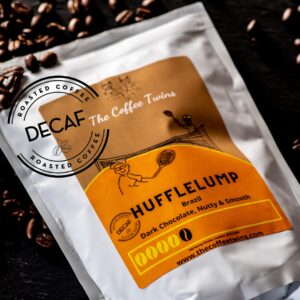
Origin: Brazil
Decaffeination method: Swiss Water Process (100% chemical-free)
Roast level: 4/5 | Body: 4/5 | Sweetness: 3/5 | Acidity: 2/5
Tasting notes: Dark chocolate, smooth, nutty
Price: £10.50 / 250g
Grinds available: Beans, cafetière, espresso, filter
Buy Hufflelump →
Hufflelump is our Swiss Water decaf, built specifically for people who want a proper cup of coffee without the caffeine.
What makes it different from typical UK decaf:
- Real body. At body 4/5, Hufflelump has the same weight in the cup as our caffeinated blends. Most decaf feels thin by comparison.
- Proper flavour. Dark chocolate, smooth and nutty; these are the notes on the bag, and they come through cleanly in every brew method.
- Chemical-free. Only water, temperature and time removed the caffeine. Nothing else in your cup.
- Speciality-grade Brazilian beans. Same green coffee quality as our regular range. We haven’t cut corners on the beans just because they’re being decaffeinated.
The slight premium over our caffeinated range (£10.50 vs £9.50) reflects the extra cost of the Swiss Water process – not a markup.
Who Hufflelump is for: Evening coffee drinkers, pregnant customers, anyone cutting caffeine, and everyone who’s tried decaf, been disappointed, and given up on it.
What to Look For When Buying Decaf in the UK
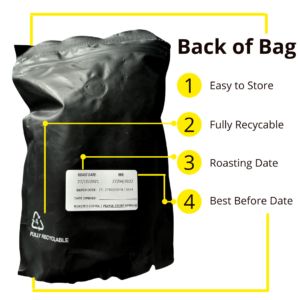
If you’re buying decaf from anywhere , not just us; these are the four things to check on the bag.
1. Decaffeination method
The bag should explicitly say “Swiss Water Process” or “CO2 Process” (another chemical-free method). If there’s no method listed, it’s almost certainly a solvent-based decaf.
2. Origin
A single named origin: “Brazil,” “Colombia,” “Mexico”, indicates traceable, quality green coffee. Vague descriptions like “selected beans” or no origin at all indicates commodity-grade coffee.
3. Roast date
Speciality coffee is roasted to order. If the bag has a “best before” date three years from now but no roast date, it’s been sitting in a warehouse for months.
4. Tasting notes
Specific, defined notes (“dark chocolate, hazelnut, smooth”) indicate the roaster has tasted the coffee and knows what it’s doing. Vague notes (“rich and smooth”) are a red flag.
Decaf for Pregnancy and Caffeine-Sensitive Drinkers
A large portion of our Hufflelump customers find us during pregnancy. The NHS guideline is under 200mg of caffeine per day during pregnancy — which, depending on coffee strength, is roughly 2 cups of regular coffee. For anyone trying to stay well under that, a good decaf is essential.
Note: This isn’t medical advice. Your midwife or GP is the right person to discuss caffeine limits during pregnancy. Even certified decaf coffee contains trace caffeine (typically 2–5mg per cup).
For pregnancy, we specifically recommend Swiss Water over chemical-solvent decaf. While regulated solvents are legally safe, the fully chemical-free Swiss Water process gives you complete peace of mind.
The same applies to anyone with a caffeine sensitivity, sleep issues, or anxiety; Hufflelump is a coffee you can drink at 9pm without consequence.
How to Brew Decaf So It Tastes as Good as Regular Coffee
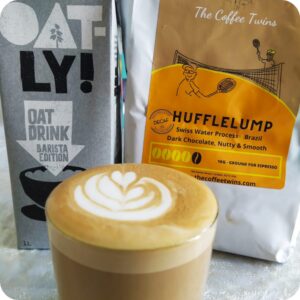
A good decaf brewed badly is worse than a bad decaf brewed well. Three rules:
1. Treat it like real coffee
Don’t dose less thinking decaf needs “less concentration.” Use the same ratios you’d use for caffeinated coffee: 1:15 for filter, 1:2 for espresso.
2. Grind fresh
Same as any speciality coffee, decaf goes stale fast. Buy as Beans if you have a grinder. If not, order the specific grind you need.
3. Match brewer to flavour
Hufflelump’s dark chocolate and nutty notes work brilliantly in:
- Oat milk lattes (body 4/5 holds up in milk)
- Flat whites (the nutty note comes through microfoam)
- Cafetière (10g per 150ml water, 4 minutes)
- Americano (18g in, 36g out, topped with hot water)
Frequently Asked Questions
What is the best decaf coffee in the UK?
The best decaf coffee in the UK is a Swiss Water processed, speciality-grade single origin. Our Hufflelump (£10.50 / 250g) is a Brazilian Swiss Water decaf, roast 4/5, with dark chocolate and nutty notes.
Is Swiss Water decaf really chemical-free?
Yes. The Swiss Water Process uses only water, temperature and time to remove caffeine- no methylene chloride, ethyl acetate, or any other solvent. The Swiss Water Decaffeinated Coffee Company in British Columbia holds the process, and their facility is certified organic.
How much caffeine is in decaf coffee?
Swiss Water process decaf has 99.9% of caffeine removed, typically 2–5mg per cup compared to 95–120mg in a regular cup of coffee. Legally, “decaffeinated” coffee in the UK must have at least 97% of caffeine removed.
Is decaf coffee bad for you?
No. Decaffeinated coffee retains most of the antioxidants and health benefits of regular coffee. The only concern is with chemical-solvent decaffeination, which is why we (and many UK health-focused drinkers) prefer Swiss Water.
Can I drink decaf coffee when pregnant?
Most NHS guidance supports moderate decaf consumption during pregnancy. Even decaf contains trace caffeine, so it counts toward your daily caffeine limit (currently 200mg during pregnancy). Always check with your midwife or GP first.
Does decaf coffee taste different from regular coffee?
A good Swiss Water decaf made from speciality-grade beans tastes almost indistinguishable from regular coffee to most drinkers. Cheap solvent-process decaf tastes noticeably flat or chemical; which is the source of decaf’s bad reputation.
Where can I buy the best decaf coffee in the UK?
The Coffee Twins – we roast all our coffee in England, including our Swiss Water decaf Hufflelump. £10.50 for 250g. Free UK shipping over £30. Use NEW10 for 10% off your first order. If you want to try multiple decaf options, our Decaf Delight Bundle is £30 with free shipping.
Summary
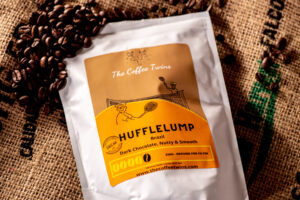
The best decaf coffee in the UK is one that’s made with Swiss Water Process (chemical-free) and speciality-grade green coffee. Our Hufflelump (£10.50 / 250g) is a Brazilian Swiss Water decaf with dark chocolate and nutty notes, proper coffee that happens to not have caffeine.
Avoid supermarket decaf made with chemical solvents. Skip decaf with no roast date. Steer clear of options with vague tasting notes.
Free UK shipping over £30. Use NEW10 for 10% off your first order.
Buy Hufflelump Swiss Water Decaf →
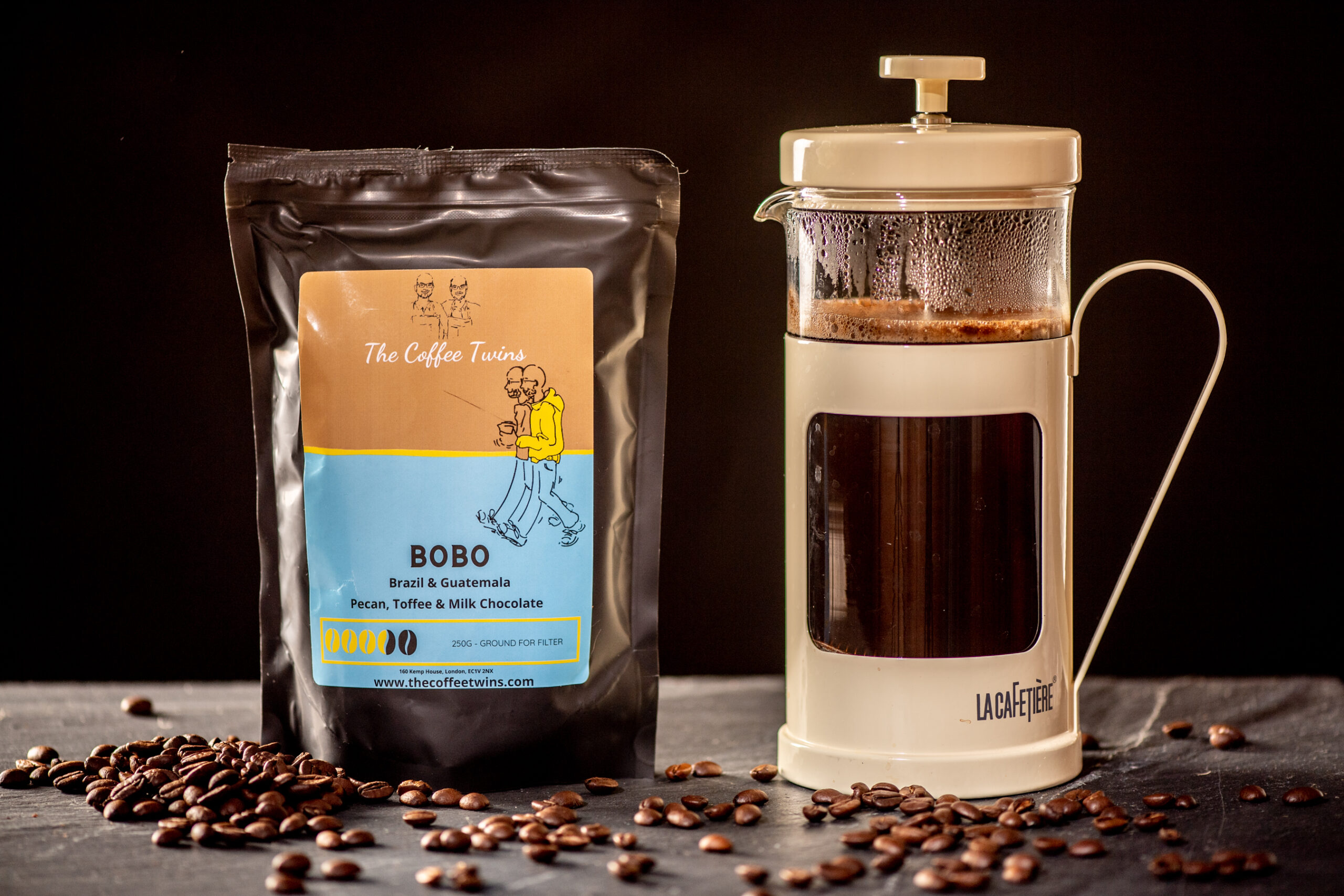
As a fellow coffee lover, I have to admit I’ve always been hesitant about decaf too. I tried it once, and it just didn’t taste like “real” coffee, so I gave up on it. Reading about the Swiss Water process here makes me curious, though; it sounds like it could actually preserve the flavor instead of leaving that flat, hollow taste I remember.
I’m tempted to give Hufflelump a try, especially since the notes of dark chocolate and nuttiness sound like something I’d enjoy. For someone who’s used to bold, full-bodied brews, do you think Swiss Water decaf really holds up in flavor when compared side by side with regular coffee?
Your hesitation makes total sense, a lot of decaf has historically been pretty underwhelming, and that flat, hollow taste you’re describing is exactly what the older chemical processes tend to produce. The Swiss Water method really is a different beast, though. Because it relies on osmosis rather than solvents, the oils and compounds that give coffee its body and depth stay largely intact, which is why the flavour profile ends up so much closer to a “proper” cup.
Honestly, for someone who gravitates toward bold, full-bodied brews, I’d say Swiss Water decaf holds up remarkably well, not identically, but close enough that the gap is far smaller than most people expect. Hufflelump in particular has that richness and those dark chocolate and nutty notes that tend to translate especially well through the process. I think you’d be pleasantly surprised. Give it a go and let me know what you thin, I’d love to hear how it compares to your usual!