

If you’re looking to get more intentional with your coffee, single origin beans should definitely be on your radar. These coffees go way beyond your average cup, bringing out flavours that speak to their region, soil, and even the individual farm where they’re grown. It’s a pretty exciting way to upgrade your morning routine or stumble upon new and vibrant tasting notes you just won’t find in ordinary blends. If you’re curious about the difference between single origin and blends, I’d recommend checking out this article for a deeper comparison.
Why Single Origin Coffee Beans Stand Out
Single origin coffee beans are pretty unique because every bag you bring home can tell a story. Each batch comes from one specific location — maybe a certain country, region, or even a single farm. This isn’t just a marketing detail; it’s what gives single origin beans their own set of distinct flavors, textures, and aromas. You start to notice these characteristics more as you taste different beans and compare their profiles.
What I love most is how these coffees capture the essence of a place. A Ethiopian coffee, for example, often pops with winey and fruity notes, while Sumatran beans can bring deep, earthy, almost spicy flavors. Because there’s no mixing in beans from other regions, these natural characteristics shine through. For people who geek out over the finer details, like me, it can turn every cup into a mini adventure.
For the two of us, that’s what makes single origin coffee so special — it’s like traveling through taste. Each origin gives us something new to appreciate, to learn from, and to share with others. It reminds us why we fell in love with coffee in the first place: not just for the caffeine hit, but for the story, the craftsmanship, and the connection behind every bean.
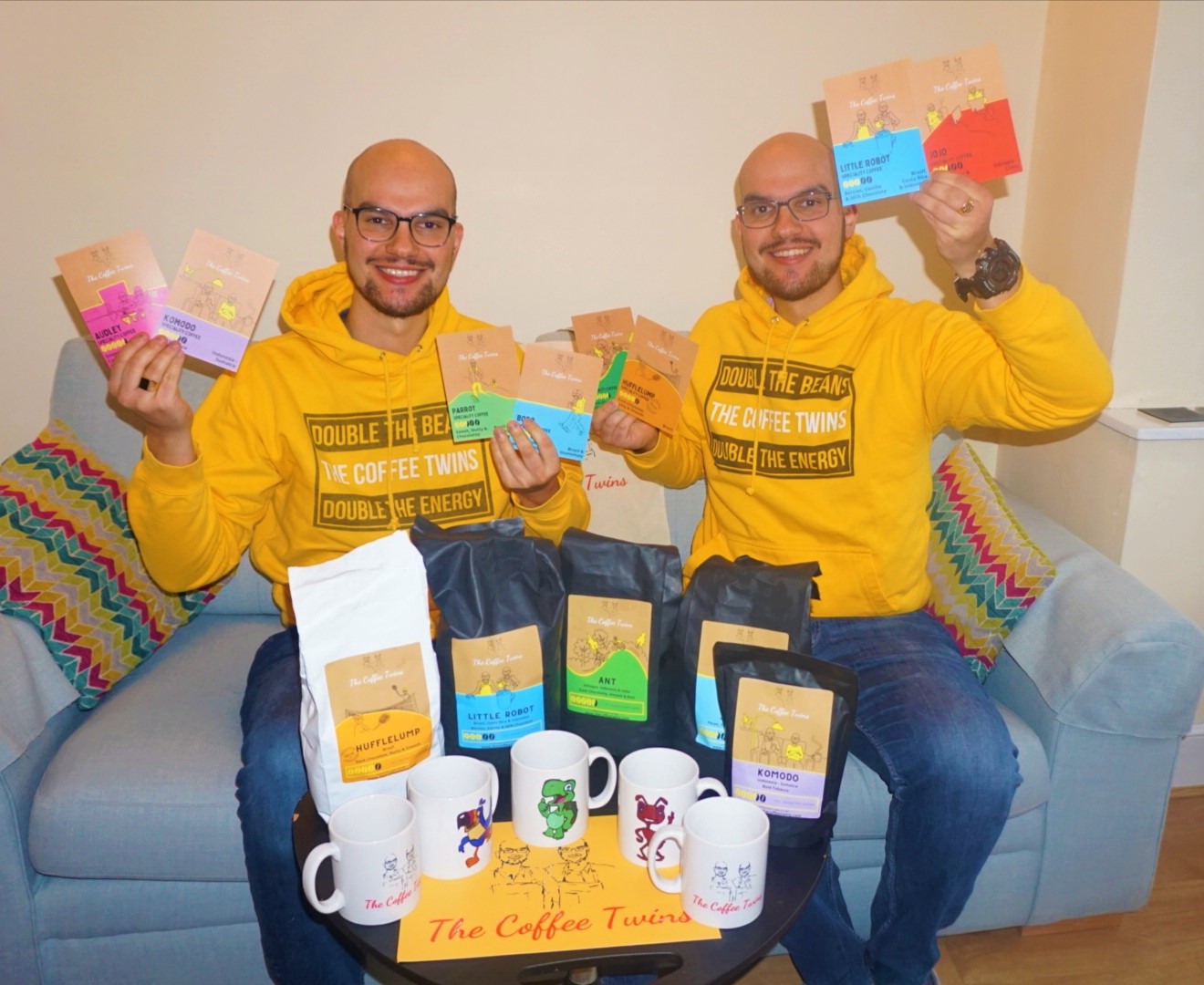
If you want a real world example to start with, the Komodo Single Origin Coffee from The Coffee Twins is known for its bold, chocolatey undertones and subtle hints of spice. It’s perfect for folks looking for a deeper, richer profile.
How Single Origin Beans Differ from Blends
Single origin beans aren’t put together with beans from different places. Most blends are designed for balance, combining beans to hit a specific flavor profile, maybe something smooth and crowd pleasing, or a classic, familiar taste.
With single origin, you get exactly what that region’s growing conditions, altitude, and processing methods deliver. These factors make each harvest a little different, giving you a taster’s view into coffee’s natural variety. It feels more personal and just a bit more special, knowing your cup is a snapshot of a single time and place.
For a more detailed breakdown, I really like this resource: Single-Origin vs Blend: What’s the Difference?
Helpful Coffee Terms for Single Origin Fans
- Origin: The specific country or farm where the beans are grown. This affects everything from taste to acidity.
- Processing: How coffee cherries are handled after harvest. Washed beans are cleaner and brighter; natural or dry processed beans usually taste fruitier and fuller.
- Altitude: Elevation influences bean density and flavor. Higher altitude beans often have more complex notes and pronounced acidity.
- Varietal: The genetic type of coffee used. Think of it like apple varieties, as different types can dramatically change the experience.
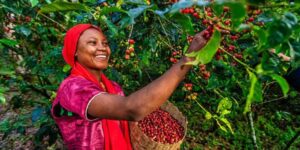
How to Choose a Single Origin Coffee Bean
Picking out a great single origin bean is partly about knowing what you like, but also about being open to trying new flavor experiences. Here’s my go to process when I’m choosing a bag:
- Start with Region: If you prefer brightness and fruity flavours, try East African coffees (like Ethiopia or Kenya). For something milder, look to Central and South American regions. If deeper and earthier sounds better, go for Indonesian or Sumatran beans.
- Check the Roast Level: Lighter roasts let you really taste the bean itself, while darker roasts mellow out acidity and bring bolder, roastier flavours. Single origin beans shine with light or medium roasts, in my experience.
- Look for Freshness: Always check the roast date. Freshly roasted beans make a huge difference in flavour and aroma, especially with single origin coffees.
- Read Tasting Notes: Most coffee brands give you a short description, like “citrus and florals” or “brown sugar and cherry.” These can give you a quick sense of what to expect.
- Experiment with Brew Methods: Some beans taste best as pour-over, while others shine in espresso or French press. Brewing methods highlight different aspects of the bean, so playing around can yield some fun surprises.
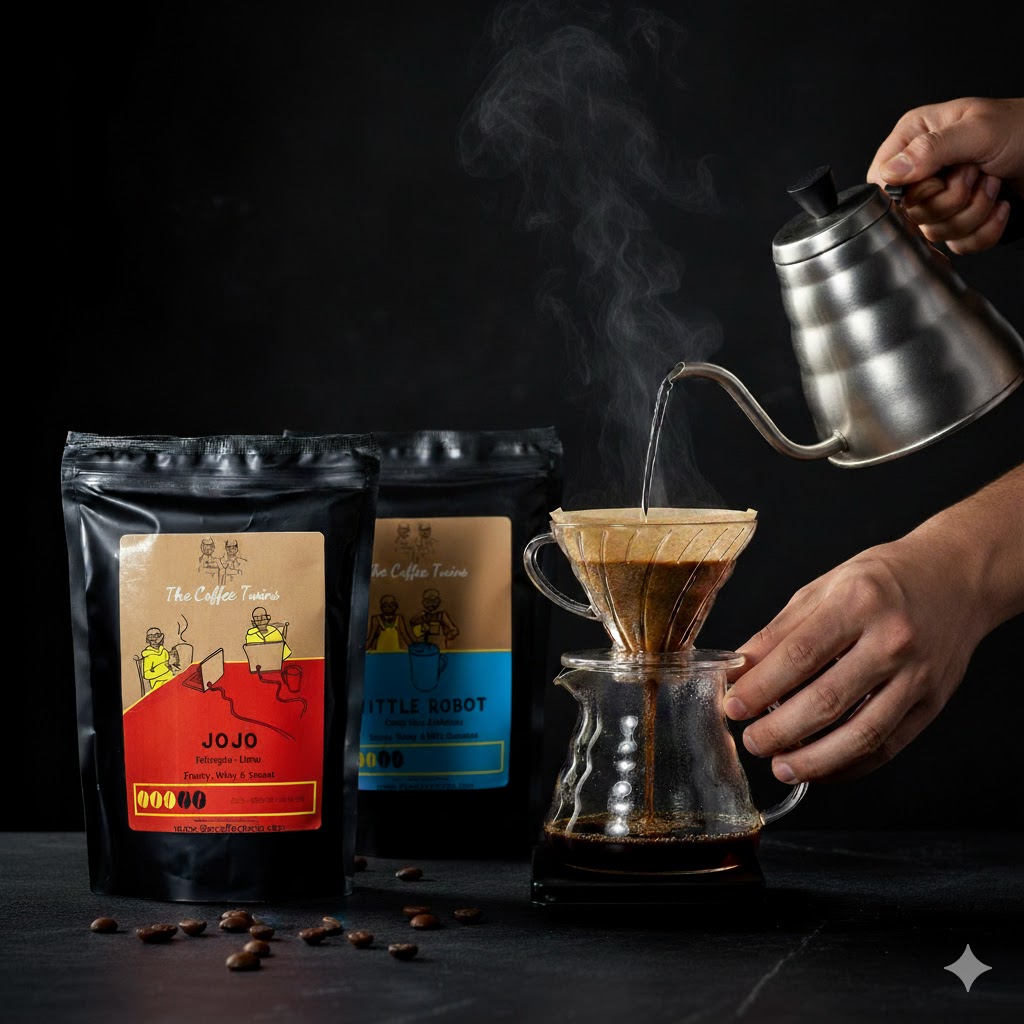
For a taste adventure, try our Jojo Single Origin Coffee. We’ve both fallen in love with how bright and lively it is bursting with sweet citrus and juicy winey notes that dance on the palate. It’s one of those coffees that instantly wakes up your senses. If you’re into high-acid, clean cups that tell a story in every sip, Jojo’s definitely the one to explore.
What to Watch For Before Buying Single Origin Beans
- Price: Single origin coffees often cost a bit more compared to blends since they’re traceable and sometimes produced in smaller batches.
- Availability: Not every region is available year round. Coffee bean harvests are seasonal, so availability changes by region and time of year.
- Roast Dates and Packaging: Freshness can make or break the experience. Airtight, resealable bags with roast dates help keep beans at their best flavor.
- Coffee Brand Reputation: Trustworthy brands take care with their sourcing, so read reviews and find out about their buying practices if that matters to you.
Why Freshness Matters
Coffee likes to be brewed when it’s fresh, especially with single origin beans. The complex, delicate notes you’re paying for drop off quickly after roasting. I always aim to use my beans within two to four weeks from the roast date for the best experience. As beans age past this point, flavours can flatten, leaving your cup tasting dull or muted, just when you want those lively notes most. Getting freshly roasted beans right after roasting and consuming them promptly really makes all the difference when you’re chasing those bright, nuanced flavours that make single origins so memorable.
How Origin and Processing Affect Flavour
The growing conditions and the way beans are processed (washed, natural, honey processed, etc.) play a huge role in what you taste in the cup. For example, washed Ethiopian coffees often taste like tea, with floral and citrus notes; naturally processed ones from the same origin can be sweet and fruity, almost like berries or jam. This variety is what keeps single origin fans coming back—every harvest and process offers something a bit new, and trying several different styles is the best way to get a sense of just how wide the range really is.
Bean Density and Brew Method
Single origin beans grown at higher altitudes tend to be denser. These beans usually handle hotter water and longer brew times well, which you’ll notice especially if you’re into manual brewing methods like pour-over or AeroPress. Trying different grind settings and brew times helps you unlock all those unique flavours. For denser beans, you might want to use a finer grind and a slightly longer extraction to really bring out those complex notes lurking in each scoop.
Advanced Tips for Getting the Most Out of Single Origin Coffees
Once you get a handle on the basics, there are a few ways to squeeze even more enjoyment out of your coffee routine. Here are a couple of my favorites:
Dial In Your Grind: Adjust your grinder specifically for single origin beans. Since their texture and density can vary, small tweaks make a big difference in extraction and flavor. Experiment with grind size and brewing time to hit that sweet spot that turns a good cup into a great one.
Taste Side by Side: Brew two single origins or compare a single origin against a blend. It becomes way easier to spot the differences in flavour, acidity, and texture when you taste them next to each other.
Try Filter vs. Immersion Methods: For the brightest, most pronounced single origin flavours, try a pour-over (like V60 or Chemex). For a fuller, rounder mouthfeel, go for French press or even AeroPress. Each method brings out a different character, so match your brewing style with the profile you want to experience.
Keep a Tasting Journal: To get even more out of your exploration, jot down notes on each bag you try. Track region, process, roast date, and your impressions. Over time, this will help you spot patterns and preferences, and make picking your next coffee a lot more fun.
Real World Uses and Where Single Origin Shines Most
Coffee shops often feature single origin beans as a limited time pour-over. They might highlight a certain farm’s harvest, inviting customers to experience something totally fresh and different. Home enthusiasts can do the same by rotating their selection and focusing on small lots or even directly traded coffees for a more personal connection. The transparency and traceability in single origin also allow you to support farmers more directly, which is a win for everyone involved.
- At Home: Savoring a single origin pour-over each morning can be a way to experience places around the world without leaving the kitchen.
- Coffee Tastings: Hosting a “cupping” (basically a coffee tasting party) lets you and your friends taste and compare beans, noticing their differences in real time. It’s a fun, interactive way to get into specialty coffee and learn together.
- Gift Giving: A thoughtfully chosen single origin coffee makes a unique, personal gift for fellow coffee lovers. Pick a region or flavour profile that matches the recipient’s preferences for a gift that stands out.
Frequently Asked Questions
What’s the best way to store single origin coffee beans?
Store beans in an airtight container, away from direct sunlight and moisture. A cool, dark cabinet is perfect. If your bag comes with a one way valve, keep it sealed until you’re ready to use. This way, you keep out air and humidity, so your beans stay at peak freshness longer.
How do I pick a region that matches my taste?
Start with basic country characteristics. East Africa for bright, fruity coffees; Central America for balanced and mild; Indonesia for darker and earthier cups. Explore from there based on what excites your taste buds. If you like lots of acidity, stick with African beans, but if smooth and easy is your goal, try beans from Brazil or Ethiopia.
Is single origin coffee always better than blends?
Not necessarily. It’s a matter of preference. If you want a unique, bold, and traceable flavour, go single origin. If you prefer smooth, classic, and consistent cups, blends might be more your style. There’s no right or wrong answer, so have fun mixing and matching until you find what suits you best.
Next Steps for Exploring Single Origin Coffee
Single origin beans have quickly become my favourite way to experience coffee’s full potential. They make it easy to appreciate differences in soil, altitude, and processing, and you really feel like you’re connecting with where your coffee is grown. If you’re just getting started, both the Komodo and Jojo from The Coffee Twins offer a taste of what’s possible.
Switching to single origin beans isn’t about being a coffee snob. It’s about enjoying rich flavours and the cool stories behind every cup. The more you try, the more you’ll stumble upon your preferences and maybe find some new favorites along the way. Whether you’re making a fast cup in the morning or relaxing on the weekend with a slow brew, single origin beans can take your routine up a notch and help you find something truly special in every mug.
0 Comments