

If you enjoy a fresh, flavourful cup of coffee every morning, you’ve probably wondered how to keep those beans as good as the day you bought them. We’ve spent years experimenting with coffee storage, trying everything from basic kitchen jars to more advanced storage solutions, and I can say firsthand that small changes make a big impact on your daily brew. This article covers everything you need to know about keeping your coffee beans or grounds fresher, longer, so your morning cup stays delicious.
Why Coffee Freshness Matters
Freshness plays a major role in how your coffee tastes. Once roasted, coffee beans start to lose their aroma and vibrant flavours because of exposure to air, moisture, heat, and light. While many of us don’t always notice a day-to-day difference, in just a few weeks, beans can go from amazing to dull. I always find it’s worth paying attention to storage if you want to enjoy the best possible flavour out of your specialty or decaf beans at home. If you want to know more about finding great beans, I recommend checking out this article: How To Buy Specialty Decaf Coffee Beans To Brew At Home.
The Essential Enemies of Coffee Freshness
Before sharing my storage tips, I want to break down the main culprits that take away flavour from your coffee:
- Oxygen: Once a bag of coffee is opened, the beans start to oxidize. This process is the biggest reason coffee goes stale.
- Moisture: Coffee beans absorb moisture from the air, which can lead to a flat taste or even mold if there’s a lot of humidity.
- Light: Bright kitchen counters or windowsills might look great, but all that light can make beans age faster.
- Heat: High temperatures break down the delicate notes in your coffee. Keeping beans away from heat is pretty important for maximum flavor.
Knowing these helps you pick a better spot and method for storing your favourite coffee.
Best Ways to Store Coffee at Home
After testing a wide range of storage containers, materials, and locations, here are straightforward and affordable options to keep beans fresh. These ideas work for both whole beans and ground coffee, but I always recommend buying whole beans and only grinding what you’ll use right away for better results.
Airtight Containers
The number one way to prevent staleness is using an airtight container. I use food grade canisters with a solid rubber seal, so once the coffee goes in, air stays out. You’ll find a lot of options, from simple glass jars with a fliptops to stainless steel canisters with pop-up air release valves. Just make sure the seal actually works. For extra serious coffee fans, some containers even have a carbon filter to absorb CO2 released after roasting, which is a fun touch but not mandatory if you brew coffee quickly.
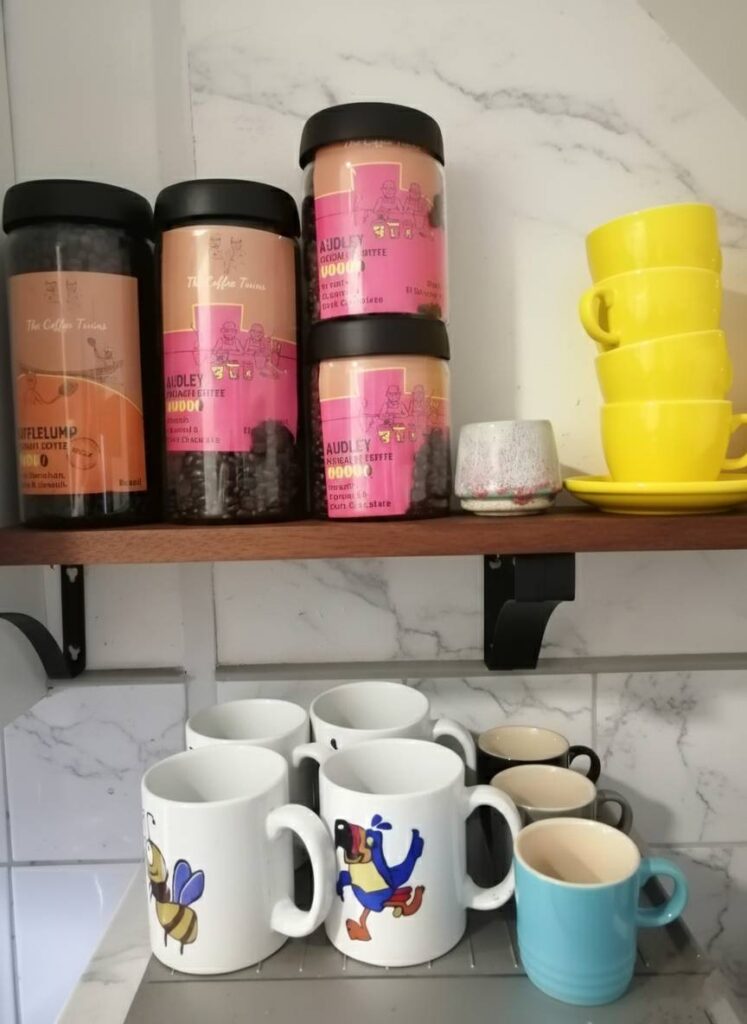
Keep It Cool, Dark, and Dry
I’ve tried storing coffee in cupboards, on high shelves, and even the fridge. In my experience, a cool, dry, and dark pantry or cupboard is your safest bet. Skip places above the oven and keep beans away from sunny counters. It doesn’t need to be fancy—a kitchen cabinet away from the stove works well.
Original Packaging: Helpful or Not?
Most good coffee comes in resealable, bags with a one-way valve. These work surprisingly well for basic in-the-bag storage, especially if you can roll them tightly and put them inside another airtight container. Personally, I like to empty beans into an airtight container after opening, but if you brew daily and go through coffee fast, leaving beans in the original packaging is perfectly fine.
The Fridge and Freezer Debate
A lot of people ask whether you should store coffee in the fridge or freezer. In my kitchen, I avoid the fridge for everyday coffee storage; the fluctuating temperature and humidity can cause condensation, which makes the coffee age faster. The freezer is a little different. For long-term storage, especially if you have a bigger bag or a rare single origin coffee you want to savor, freezing sealed portions works just fine. I divide beans into weekly portions, vacuum seal them, and only thaw what I’ll use in a week. The secret is to avoid repeated freezing and thawing; take out only what you need and let it come to room temperature before opening the bag.
Signs Your Coffee Isn’t Fresh Anymore
Even with the best storage practices, every bag of coffee has a peak window for freshness. Here’s how I can tell when it’s past its prime:
- Flat or dull flavor: The coffee tastes weak or lacks the complexity you expect.
- Stale or cardboard aroma: The coffee smells more like old bread or cardboard than the way it did when it was fresh.
- Hard, brittle beans: Beans become harsh and dry, losing that slightly oily or glossy coat.
If you notice these signs, it’s time to buy a fresh bag and start over.
How Long Does Coffee Stay Fresh?
We often get this question, and my answer is pretty simple: Most roasted coffee beans peak for about two weeks to a month after their roast date, as long as they’re stored well. Ground coffee fades faster—think seven to ten days after opening. This way, each bag reaches your mug when the flavours are at their best.
My Favorite Coffee Storage Products
Over the years, working in coffee shops and experimenting at home, we’ve learned one thing: fresh beans make all the difference. Storing your coffee properly is the easiest way to make every cup taste amazing. Here are some products you can easily find:
- Dunelm Metal Coffee Canister – Affordable, airtight, and perfect for daily use. Keeps your beans fresh without any fuss.
- Dunelm Set of 3 Stacking Canisters – Great if you want a coordinated setup for coffee, tea, and sugar. Each canister seals tightly to protect flavor.
- Hario Red Glass Canister (1L) – A classic design from a trusted brand. Works well if you like seeing your beans and keeping them in a cool, dark place.
- Typhoon Living Coffee Canister – Durable, stylish, and easy to use. A simple upgrade to keep coffee tasting just-roasted.
- OXO Good Grips POP Container – Space-saving with a strong seal. Ideal if your kitchen counter is small but you still want freshness.
- Airscape Coffee Storage Container – A step up for serious coffee lovers. Its inner lid pushes air out to lock in flavor for longer.
- Fellow Atmos Vacuum Canister – Premium option with a vacuum seal. Keeps beans tasting café-fresh for weeks.
Pro Tip: Always store canisters in a cool, dark place away from sunlight or heat—it makes a huge difference.
If you’re unsure which one is right for you, reach out to us—we’d be happy to recommend the perfect storage solution for your Coffee Twins beans so every cup tastes incredible.
Troubleshooting Common Coffee Storage Problems
If you’ve ever wondered why your coffee tastes off even after using good beans, your storage might be the issue. Here are a few common problems I’ve spotted (and solved) in my own kitchen:
- Container isn’t truly airtight: Even the best-looking jars can leak air over time. Test the seal by closing the empty container, submerging it (briefly) under water, and watching for bubbles. If you spot any, air is sneaking in and it’s worth replacing the container.
- Forgotten beans: If you stash beans away and forget about them, set a reminder to rotate and use them before they go stale. I write the purchase or roast date right on the container so I know how old each batch is.
- Grinds left in the grinder: Any leftover grounds in your grinder can absorb moisture and odors from your kitchen, which transfers to your next batch. Wiping out the grinder after each use helps a lot.
Advanced Tips for Coffee Lovers
Once you’ve locked in your basic storage, you can take freshness up a notch with these simple tricks:
- Try vacuum sealing: If you buy in bulk, splitting beans into single brew or weekly packs and vacuumsealing them keeps the flavor locked in for months rather than weeks.
- Buy from roasters who print roast dates: Not every brand does this, but it makes it easy to track down exactly how fresh your coffee is. I’ve noticed that shopping at specialty roasters gives the most consistent results.
- Track which coffee ages best: Some beans actually taste sweeter or rounder after a few days’ rest. I keep notes on each bag, tracking when it peaks, so I can dial in the ideal brew window for each type.
- Explore bean varieties: Mixing in some variety not only keeps things interesting, but you might stumble upon a roast that naturally stays fresh longer or suits your taste better as it ages.
- Make use of accessories: There are specialty scoops that measure out beans perfectly, bag clips designed for airtight closure, and even UV-protection jars designed to keep light away. These little tools may seem minor, but they add up to a happier coffee routine.
Frequently Asked Questions About Coffee Storage
These are some of the most common questions I hear, especially from friends who just started brewing at home:
Question: Should I grind coffee beans all at once or just before brewing?
Answer: Always grind just before brewing. Ground coffee loses flavor much faster than whole beans, so you get a better, fresher cup with each brew this way.
Question: How much coffee should I store at once?
Answer: Buy only as much as you’ll use in two to four weeks, unless you’re vacuum sealing for longterm storage. Smaller amounts mean you get to enjoy coffee at its best every time.
Question: Can I reuse coffee grounds for another cup?
Answer: Reusing grounds isn’t recommended. After the first brew, most of the good flavours have gone, and you’re left with bitter or flat-tasting coffee the second time around.
Your Home Brew, Improved
Keeping coffee fresh is about more than just good taste; it’s about making every cup worth the effort you put in. With airtight containers, the right storage spot, and a little bit of planning, you’ll find your daily coffee ritual gets just that little bit better. I hope my tips help you get the most out of every bag. If you want more advice or need some high-quality beans, take a look at my favorite sources above—great coffee is out there waiting for you.

0 Comments